
Shaki Khan's Palace proven to be centuries older than previously thought [PHOTOS]
![Shaki Khan's Palace proven to be centuries older than previously thought [PHOTOS]](https://www.azernews.az/media/2026/06/29/fjerfrfre5.jpg)

Laman Ismayilova
Read moreScientific research has confirmed that the area where the Shaki Khan's Palace is located is significantly older than previously thought, revealing continuous human activity dating back to the 13th century, AzerNEWS reports.
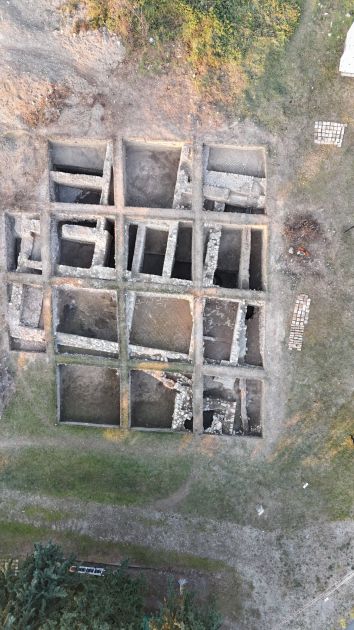
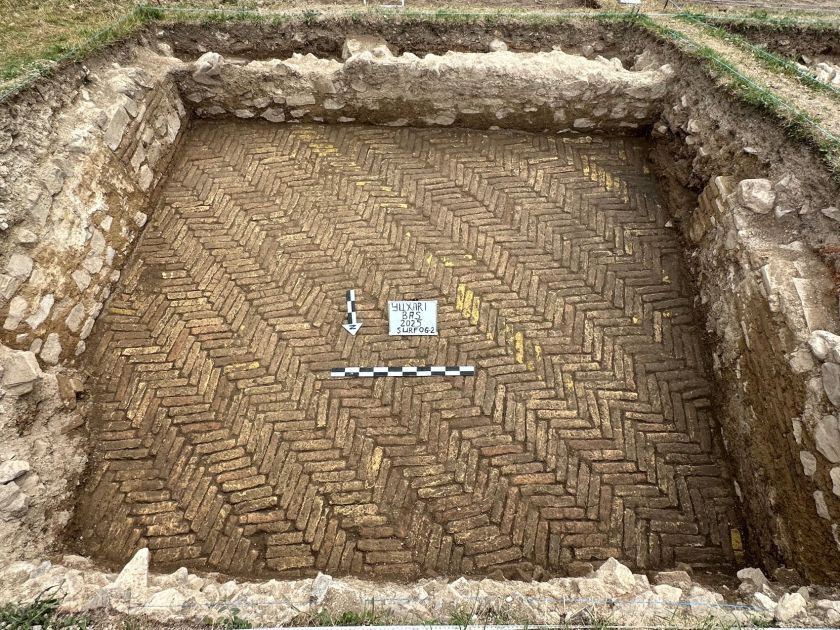
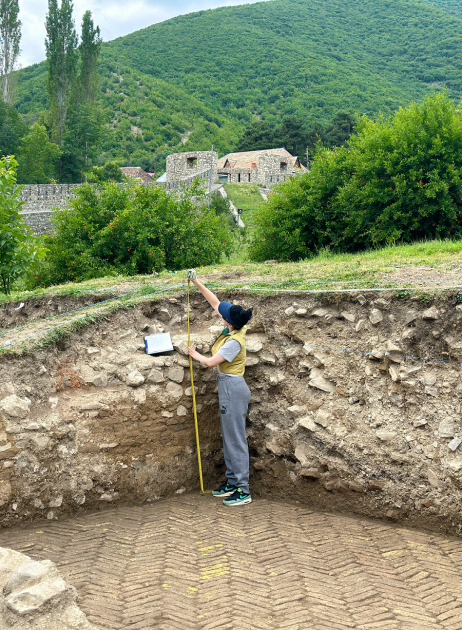
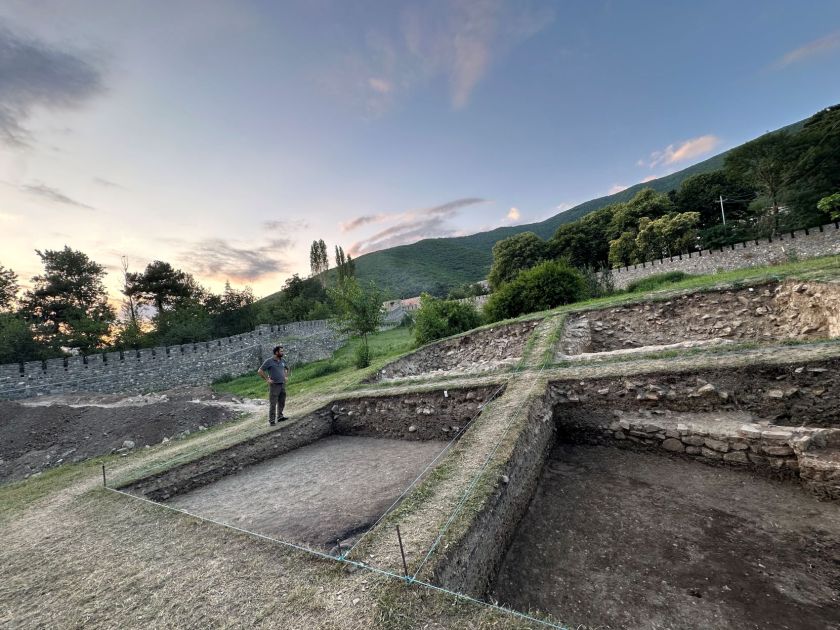
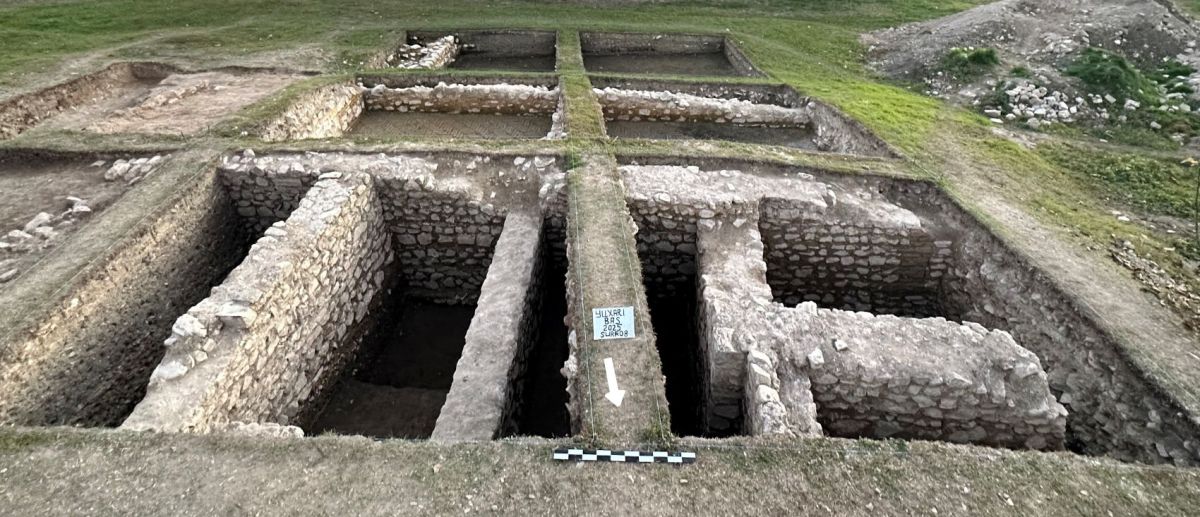
This conclusion was reached as a result of archaeological excavations carried out between 2023 and 2025 in the Yukhari Bash National Historical-Architectural Reserve in Shaki, around the Shaki Khan's Palace.
The work was conducted through a joint project of the Azerbaijan State Tourism Agency and the Institute of Archaeology and Anthropology of the Azerbaijan National Academy of Sciences (ANAS), and is considered highly important for studying Azerbaijan's medieval history.
The research was led by archaeologist Valeh Alakbarov, head of a department at the ANAS Institute of Archaeology and Anthropology and PhD in History.
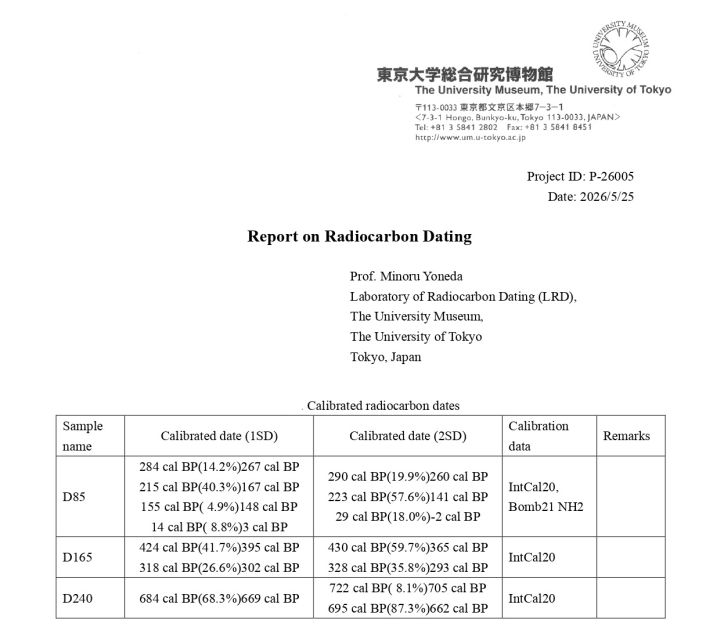
During the excavations, charcoal samples collected from different archaeological layers were sent for high-precision AMS radiocarbon (C14) analysis at the Radiocarbon Dating Laboratory of the University of Tokyo Museum in Japan, one of the world’s leading scientific institutions.
The results confirmed the earliest human presence in the area in the 13th century. The oldest sample was dated to 1255–1288, with a higher probability range of 1263–1288, marking the first scientific proof of human activity at the site during that period.
Findings also show that the area continued to be used in later centuries. Evidence points to activity in the 16th–17th centuries, followed by intensive and continuous use from the 18th century to the early 19th century. Overall, the data indicates nearly seven centuries of ongoing habitation and activity.
Researchers emphasize that the Shaki Khan's Palace, built in the 18th century, was not constructed on an empty site but within an already historically significant settlement zone that had long served residential and possibly administrative functions.
This suggests the area may have previously hosted residences of local ruling elites, making it a strategic political and administrative center long before the current palace was built.
The radiocarbon results also indicate the possible existence of even older cultural layers beneath the current excavation zone, meaning further archaeological discoveries may still be uncovered.
Experts say continued research is essential for better understanding the medieval urban development of Shaki and the historical evolution of the region as a political center.
Overall, the findings establish that the area around the Shaki Khan's Palace has a far deeper and continuous history than previously believed, spanning from the 13th to the 19th century.
Here we are to serve you with news right now. It does not cost much, but worth your attention.
Choose to support open, independent, quality journalism and subscribe on a monthly basis.
By subscribing to our online newspaper, you can have full digital access to all news, analysis, and much more.
You can also follow AzerNEWS on Twitter @AzerNewsAz or Facebook @AzerNewsNewspaper
Thank you!