
Kazakhstan scraps currency trading band, moves to free float
By Bloomberg
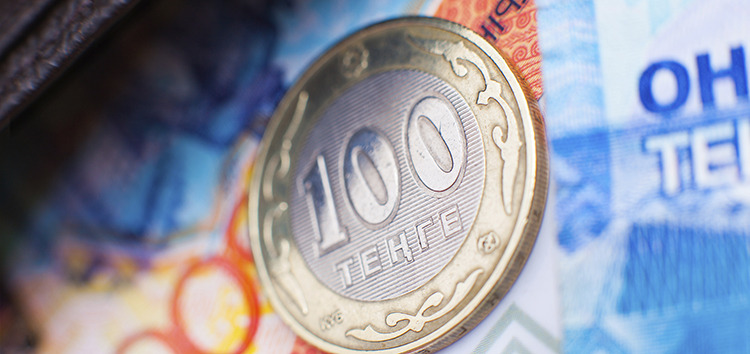
Kazakhstan said it will float the tenge as Central Asia’s biggest crude exporter adjusts to sliding oil prices and weakening currencies in China and Russia.
The country moved to a free-floating currency effective Thursday, Prime Minister Karim Massimov told a government meeting in Astana. The market will determine the exchange rate, central bank Governor Kairat Kelimbetov said, adding that there will only be intervention if stability is threatened. The currency weakened 0.4 percent to 197.97 per dollar as of 10:30 a.m. in Almaty, Bloomberg data show.
The policy shift comes a day after Kazakhstan let the tenge slide 4.5 percent against the dollar, the most since a devaluation 18 months ago. Emerging-market currencies weakened across the board this year as sliding commodities prices hurt exports and the prospect of a Federal Reserve interest-rate increase prompts capital to flow into U.S. assets.
“It’s a move to prepare for the Fed rate hike,” said Tommy Ong, managing director for treasury and markets at DBS Bank Hong Kong Ltd. “In anticipation of higher U.S. interest rates, some emerging-market countries are opting to let their currencies weaken to stimulate exports and avoid massive intervention.”
China, Russia
Vietnam devalued its currency on Wednesday for the third time this year and widened its trading band, after a devaluation in China last week triggered the yuan’s steepest slide in two decades. China and Russia, which is allowing the ruble to track crude’s drop, are Kazakhstan’s biggest trading partners.
The yuan weakened 4 percent versus the dollar in the past 12 months, the ruble sank 46 percent and the tenge lost 8.1 percent, according to data compiled by Bloomberg. Crude oil tumbled 58 percent to $40.55 a barrel in New York.
The shift to a freely floating currency “will create the necessary conditions for a recovery of economic growth, increased lending and investment activity, creation of new jobs and a decrease in the inflation rate to between 3 percent and 4 percent in the medium term,” Prime Minister Massimov said.
Wednesday’s retreat in the tenge was the steepest since the central bank, which previously used its foreign-currency reserves to manage the exchange rate within a trading band, let it drop about 20 percent in February 2014.
Here we are to serve you with news right now. It does not cost much, but worth your attention.
Choose to support open, independent, quality journalism and subscribe on a monthly basis.
By subscribing to our online newspaper, you can have full digital access to all news, analysis, and much more.
You can also follow AzerNEWS on Twitter @AzerNewsAz or Facebook @AzerNewsNewspaper
Thank you!