
Sainsbury mimics discounters’ tactics to take on Aldi and Lidl
By Bloomberg
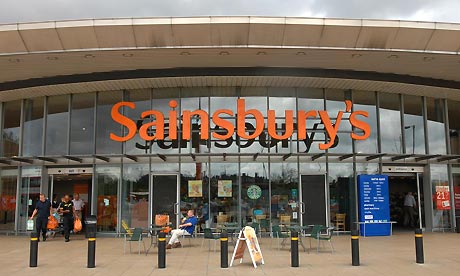
To bolster its defenses against the unrelenting competition from Aldi and Lidl, J Sainsbury Plc has found inspiration from an unlikely source.
Last year, the U.K. supermarket company embarked on a 15- store trial with Danish discounter Netto as a way to tap into the growing budget retail industry. It now believes the main benefit from the venture is just mimicking Netto’s methods.
“The Netto venture has given us a deep understanding of the discounter model and how we can bring their best practices into our supermarkets,” Chief Financial Officer John Rogers, who assumes responsibility for the partnership this week, said in an interview in London. “That’s been the most powerful benefit. We underestimated it.”
After plowing hundreds of millions of pounds into price cuts, the U.K.’s biggest grocers are searching for new ways to stop more customers defecting to discounters. Otherwise, they face a further 18 months of ebbing profits and escalating price wars, Moody’s Investors Service said last month.
“Sainsbury’s must be careful not to get drawn into a price war,” Mike Dennis, an analyst at Cantor Fitzgerald in London, said by phone. “They don’t need to cheapen their brand to compete with the discounters.”
Sainsbury brought Netto stores back to Britain last year by partnering with the discounter’s Danish parent company Dansk Supermarked. Netto had been absent from the U.K. since 2010 following the acquisition of its 193 stores in the country by Wal-Mart Stores Inc.’s Asda.
No Complacency
Rodgers said the partnership has provided insights into the way discounters operate, including how they keep prices down by reducing waste. At its in-store bakeries, Netto cooks different types of breads and pastries together. By introducing this practice across its 600 supermarkets, Sainsbury will save time, use less electricity and be left with less food to throw away, Rogers said. It’s one of hundreds of simple tweaks the company is seeking to make.
Rogers has been trying to assess just how much progress Aldi and Lidl can make beyond their current combined market share of 9.4 percent. He forecasts that a lack of affordable store sites and a narrowing price gap to the largest U.K. supermarkets will cap their progress at a combined share of 15 percent by 2022. If he’s right, it would still be less than in most European countries.
“It’s a judgement call,” Rogers said, conceding that the discounters could end up with as much as a 20 percent share by that time. “We’re not complacent. They are very sophisticated competitors.”
The executive also said regulatory hurdles undermine the theory that deal making may be an answer to the industry’s troubles. “It’s not impossible, but I don’t think it’s a slam dunk that you will automatically expect to see consolidation.”
Here we are to serve you with news right now. It does not cost much, but worth your attention.
Choose to support open, independent, quality journalism and subscribe on a monthly basis.
By subscribing to our online newspaper, you can have full digital access to all news, analysis, and much more.
You can also follow AzerNEWS on Twitter @AzerNewsAz or Facebook @AzerNewsNewspaper
Thank you!