
El Nino gains strength as Pacific warms just like it’s 1997
By Bloomberg
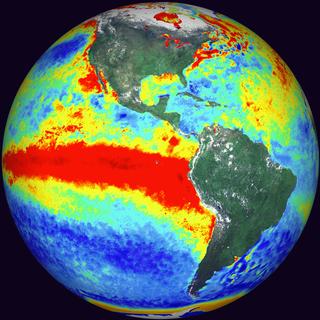
The El Nino developing across the Pacific strengthened further, according to Australia’s Bureau of Meteorology, which again highlighted patterns shown by the data that are similar to the record 1997-1998 event.
Sea-surface temperature indexes for the central and eastern tropical Pacific are more than 1 degree Celsius above average for a sixth week, the bureau said. Models showed the central Pacific will warm further over the coming months, it said.
El Ninos have the potential to affect weather and harvests around the globe by baking parts of Asia, dumping rain across South America and bringing cooler summers to North America. The event poses a risk for the global economy in the second half as it can hurt crops and boost inflation, according to Citigroup Inc. The 1997-98 El Nino was the strongest on record, according to the National Oceanic and Atmospheric Administration.
“It is unusual to have such a broad extent of warmth across the tropical Pacific,” the Melbourne-based bureau said in its fortnightly update on Tuesday. “The last time this occurred was during the 1997–98 El Nino.”
El Ninos are caused by warmings of the Pacific, and they can spur turmoil in farm markets as growers contend with drought or too much rain. Their impact can drive faster inflation across Asia as food costs rise, and may also extend to metals markets. The current event is the first since 2010.
Event Intensity
The Australian bureau’s update contained twin warnings that it isn’t possible at this stage to determine how intense this event will be, and also that an El Nino’s strength doesn’t always correspond to its impact. In May, forecasters at the center said they expected the current event to be substantial.
While the India Meteorological Department had forecast the El Nino would probably curb monsoon rainfall to 88 percent of average this year, there’s been a better-than-expected start to the season that nourishes crops across the country. Almost 80 percent of the nation had received excess or normal downpours since June 1, according to the department.
The majority of models suggest the Pacific will continue to warm in the coming months, possibly reaching strong El Nino levels, the United Nations’ World Meteorological Organization said on June 15. Outlooks at this time aren’t as accurate as ones in the second half, and more-confident estimates of the event’s strength will be available after mid-year, it said.
Here we are to serve you with news right now. It does not cost much, but worth your attention.
Choose to support open, independent, quality journalism and subscribe on a monthly basis.
By subscribing to our online newspaper, you can have full digital access to all news, analysis, and much more.
You can also follow AzerNEWS on Twitter @AzerNewsAz or Facebook @AzerNewsNewspaper
Thank you!