
Oil holds near $60 amid speculation over pace of U.S. shale boom
By Bloomberg
Oil held near $60 a barrel as price volatility shrank to the lowest in six months amid speculation over the pace of production growth in the U.S.
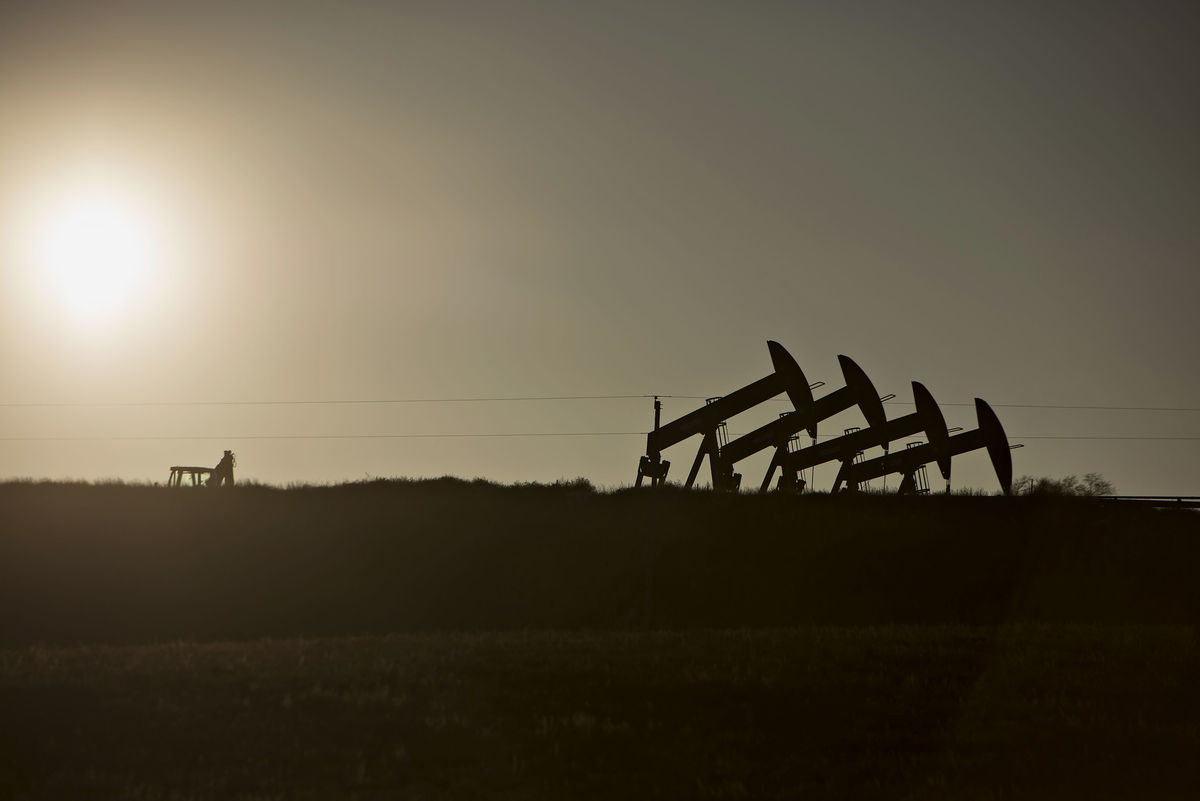
Futures were little changed in New York after capping a three-day drop on Friday. A gauge of oil volatility slid 14.7 percent last week, the most since September 2013. The number of active U.S. rigs drilling for crude slipped by eight to 660 through May 15, the smallest reduction in 23 weeks of declines, data from Baker Hughes Inc. show.
Oil’s recovery from a six-year low is stalling near $60 a barrel amid speculation rising prices will encourage production and sustain a supply glut. U.S. crude inventories are more than 100 million barrels above the five-year average for this time of year, according to government data.
“The market seems happy to stay around this area until it sees some movement on U.S. production,” Ric Spooner, a chief strategist at CMC Markets in Sydney, said by phone. “Time may ultimately prove to be a problem. If we don’t start to see output drop away more significantly in the coming weeks, the market may begin to get nervous about it.”
West Texas Intermediate for June delivery, which expires Tuesday, was up 19 cents at $59.88 a barrel in electronic trading on the New York Mercantile Exchange at 2:19 p.m. Sydney time. The contract slid 19 cents to $59.69 on Friday. The volume of all futures traded was about 53 percent below the 100-day average. The more-active July futures were 16 cents higher at $60.70.
Rig Count
Brent for July settlement gained 14 cents to $66.95 a barrel on the London-based ICE Futures Europe exchange. Prices gained 2.2 percent last week. The European benchmark crude traded at a premium of $6.31 to WTI for the same month.
The Chicago Board Options Exchange Crude Oil Volatility Index slumped 8.2 percent on Friday, capping a seventh weekly drop. The gauge of hedging costs on the U.S. Oil Fund, the biggest exchange-traded fund tracking crude futures, closed at 29.95, the lowest since Nov. 7.
The U.S. drill rig count has dropped 58 percent since Dec. 5, according to data from Baker Hughes. The number of active machines at the nation’s biggest oil field, the Permian Basin of Texas and New Mexico, fell by three to 233.
The U.S. pumped 9.37 million barrels a day in the week ended May 8, the Energy Information Administration said May 13. Output averaged 9.42 million a day in the week to March 20, the fastest pace since at least January 1983.
Bullish Bets
Global oil supply is exceeding demand by as much as 2 million barrels a day, Tim Cutt, the president of BHP Billiton Ltd.’s petroleum division, said in a speech Monday.
Speculators trimmed their bullish bets amid speculation supply will rise from the Organization of Petroleum Exporting Countries. Long wagers fell the most in two months and short bets dropped to the lowest since August, according to U.S. Commodity Futures Trading Commission data.
Demand for OPEC’s crude will rise as current prices hinder shale output expansions, said the chief executive officer of Qatar Petroleum International, according to an official news agency report.
While prices will improve during “the coming period,” they will not reach $100 a barrel, Qatar Petroleum CEO Nasser Khalil Al-Jaidah said in an interview published Saturday by the official Qatar News Agency. Oil has stabilized since December because of higher demand from Europe and emerging markets, and lower U.S. output, Al-Jaidah said.
Here we are to serve you with news right now. It does not cost much, but worth your attention.
Choose to support open, independent, quality journalism and subscribe on a monthly basis.
By subscribing to our online newspaper, you can have full digital access to all news, analysis, and much more.
You can also follow AzerNEWS on Twitter @AzerNewsAz or Facebook @AzerNewsNewspaper
Thank you!