
Merck’s hepatitis C medicines may challenge Gilead and AbbVie
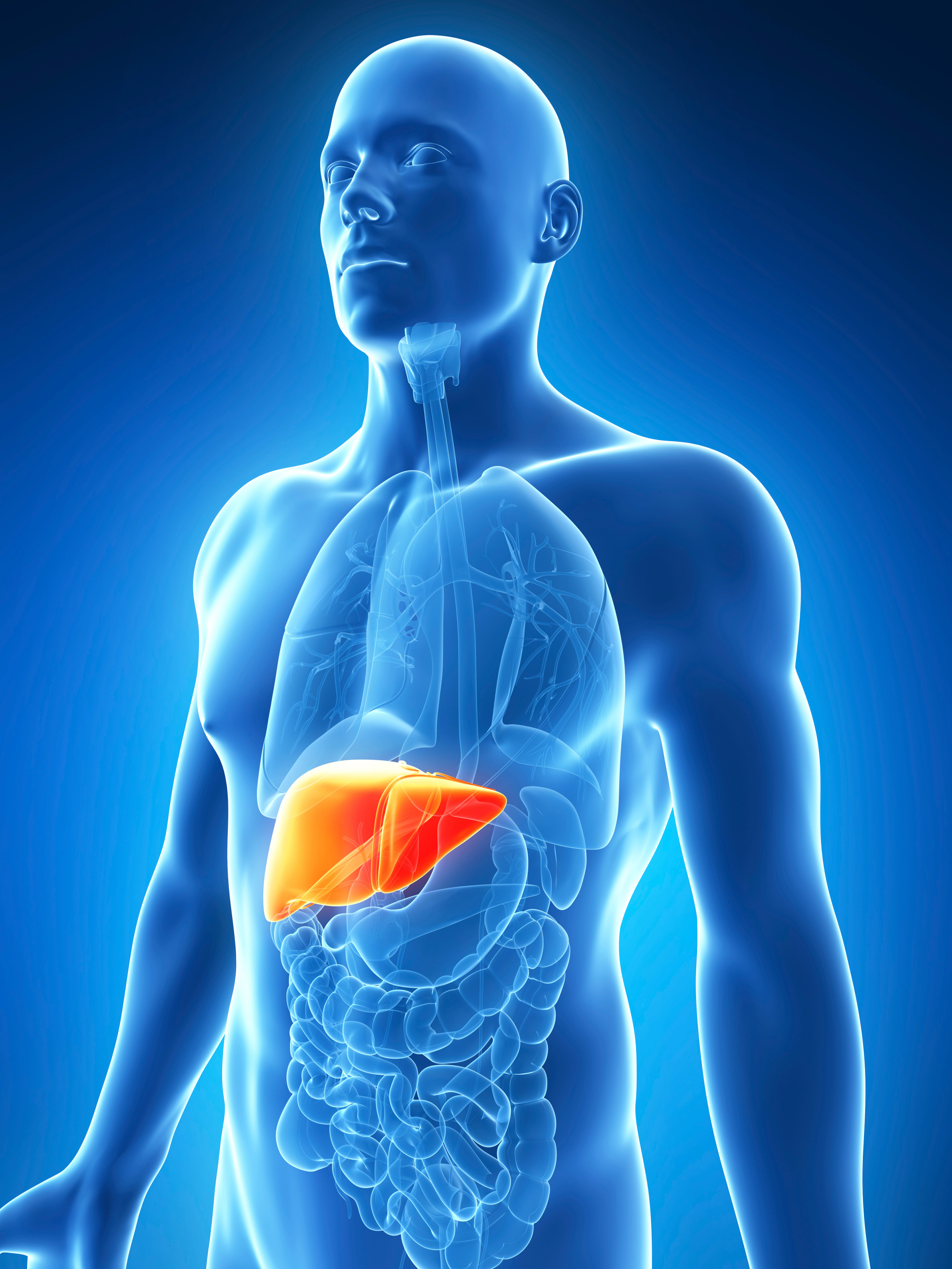
By Bloomberg
Merck & Co. said its experimental hepatitis C drug combination cured 95 percent of previously untreated patients in a late-stage study that suggests it may be competitive with Gilead Sciences Inc. and AbbVie Inc. medicines.
The study also found that among patients who failed other treatments, a combination of Merck’s grazoprevir and elbasvir drugs had a cure rate of 92 percent immediately after a 12-week course of therapy. The combination also cured the condition in 95 percent of patients with both hepatitis C and HIV, and it had even better success among those with hepatitis C and cirrhosis of the liver. Merck will present the data at a medical meeting in Vienna on Friday.
The trial results for Merck’s single-tablet regimen for a disease that afflicts as many as 150 million people globally, show that it may be effective in a broad range of patients to compete with already approved therapies. Merck plans to file the drug for approval to U.S. regulators in the first half of this year.
“Patients with co-morbidities and varying treatment experiences represent important segments of the chronic hepatitis C population in need of additional innovative treatment options,” Eric Lawitz, medical director of the Texas Liver Institute, said in a statement. Co-morbidities refers to people with more than one illness.
Gilead’s Harvoni is currently only approved for patients with genotype 1, the most common form of the virus in the U.S. While the Food and Drug Administration has granted breakthrough therapy designation to Merck for genotype 4 and a subset of genotype 1 with advanced kidney disease, the company won’t limit its regulatory filing to those groups, according to Eliav Barr, vice president of infectious diseases at Merck.
For hard-to-treat patients such as those who have failed other therapies and have cirrhosis, Merck may have an advantage over rivals as its combination is effective even with only 16 weeks of therapy and without the antiviral ribavirin, which can have flu-like side effects, Barr said. Gilead and AbbVie’s drugs require 24 weeks of treatment for this patient group or the addition of ribavirin.
“Even among the sickest of the sick, we only require 16 weeks of therapy,” Barr said in a phone interview. “That will be a substantive advantage.”
Here we are to serve you with news right now. It does not cost much, but worth your attention.
Choose to support open, independent, quality journalism and subscribe on a monthly basis.
By subscribing to our online newspaper, you can have full digital access to all news, analysis, and much more.
You can also follow AzerNEWS on Twitter @AzerNewsAz or Facebook @AzerNewsNewspaper
Thank you!