
Euro weakens to 11-year lowbBefore ECB decision as kiwi slides
By Bloomberg
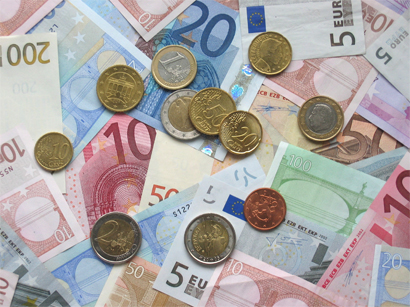
The euro weakened to an 11-year low against the dollar as traders waited for the European Central Bank to announce details of its debt-purchase program.
The shared currency dropped for a sixth day against the greenback as the ECB prepares to buy 60 billion euros ($66.4 billion) of bonds each month in a quantitative-easing plan to counter the threat of deflation. The ECB will leave its benchmark interest rate at a record low of 0.05 percent and the deposit rate at minus 0.2 percent when it meets in Nicosia, Cyprus, according to all economists surveyed by Bloomberg News.
“The combination of deposit rates negative and QE is a very potent one, so it’s very euro negative,” Robin Brooks, New York-based chief currency strategist at Goldman Sachs Group Inc., said in an interview in Sydney. “We are big proponents of euro weakness.”
The euro dropped 0.2 percent to $1.1061 at 2:35 p.m. in Tokyo after sliding to $1.1056, the lowest since September 2003. The 19-nation currency was little changed at 132.56 yen after weakening 0.9 percent on Wednesday. The yen gained 0.1 percent to 119.85 per dollar.
The euro will fall to parity with the dollar by the end of next year and decline to 90 cents by Dec. 31, 2017, Goldman Sachs’s Brooks said. The currency has been above $1 since December 2002. The prediction is the company’s “most dollar- bullish” of all its forecasts, he said.
Worst Performer
The euro has slumped 5.8 percent this year, the worst performer of 10 developed-nation currencies tracked by Bloomberg Correlation-Weighted Indexes. The dollar gained 4.1 percent, and the yen advanced 4 percent.
“Euro is sliding simply because it has not yet factored in the impact of QE that starts next week,” Greg Gibbs, head of Asia-Pacific markets strategy at Royal Bank of Scotland Group Plc in Singapore, wrote in a client note. “We continue to see a high probability of a rapid further slide in euro towards parity in coming months.”
A gauge of the dollar held gains from Wednesday when data showed U.S. service businesses expanded and companies added more than 200,000 jobs for a 13th month.
The premium for three-month contracts giving the right to sell the euro versus the dollar, over those allowing for purchases, was little changed after expanding to 1.82 percentage points on Wednesday, the widest since Feb. 24 based on closing prices.
Dollar Index
The Bloomberg Dollar Spot Index, which tracks the U.S. currency against 10 major peers, rose 0.1 percent to 1,180.49 after closing at 1,179.25 on Wednesday, the highest in data starting in 2004.
New Zealand’s dollar fell versus all its 16 major peers on speculation the Reserve Bank will cut interest rates as it seeks feedback on a new mortgage regime for residential property investors. One of the central bank’s chief reasons not to lower borrowing costs was that record immigration is stoking demand for property.
“The RBNZ consulting on tightening lending standards to property investors might mean a hurdle towards rate cuts is being alleviated, which is kiwi negative,” said Raiko Shareef, a markets strategist in Wellington at Bank of New Zealand Ltd.
The currency dropped 0.6 percent to 75.49 U.S. cents after rising 1.1 percent during the previous two days.
Here we are to serve you with news right now. It does not cost much, but worth your attention.
Choose to support open, independent, quality journalism and subscribe on a monthly basis.
By subscribing to our online newspaper, you can have full digital access to all news, analysis, and much more.
You can also follow AzerNEWS on Twitter @AzerNewsAz or Facebook @AzerNewsNewspaper
Thank you!