
Inflation pushing 17% hems in Nabiullina on cuts: Russia credit
By Bloomberg
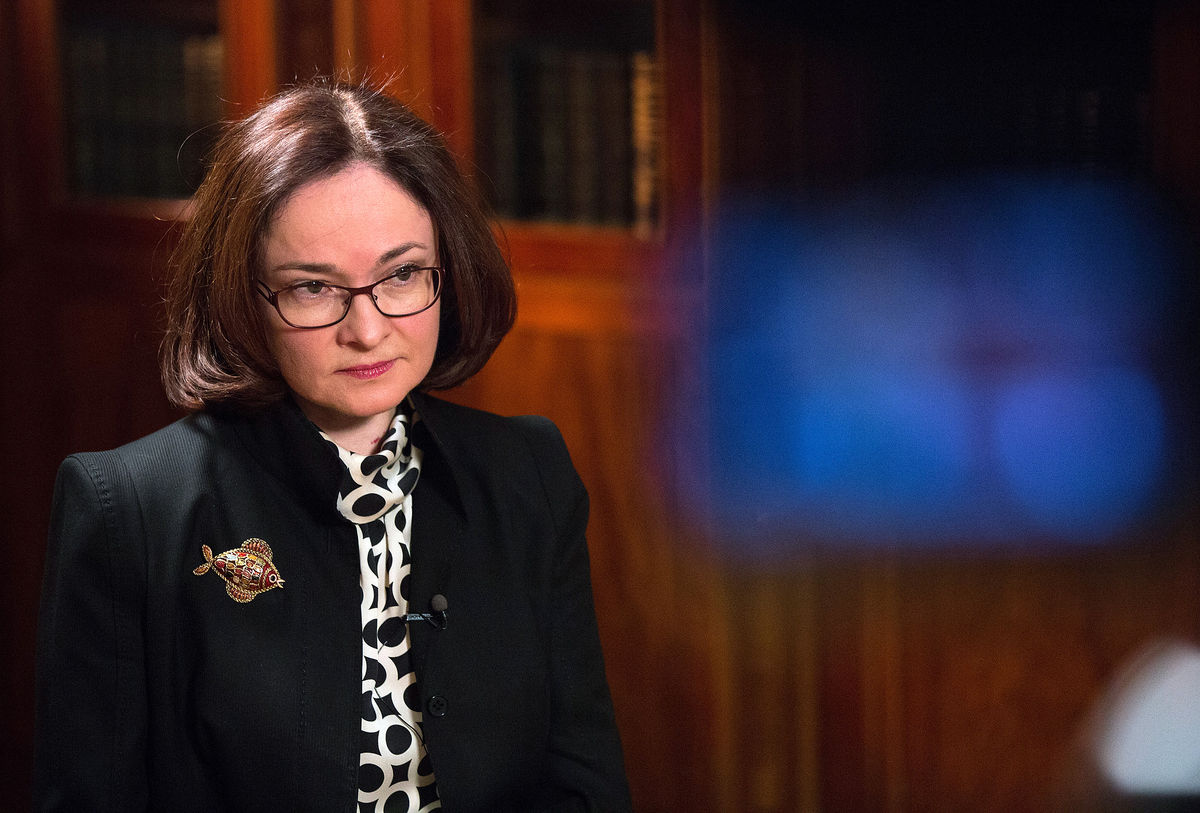
Traders are scaling back bets on how far Russian central bank Governor Elvira Nabiullina will lower interest rates with inflation set to reach a 13-year high.
Derivatives known as forward-rate agreements show a 47 basis-point reduction in the next three to six months, the least since policy makers unexpectedly hoisted borrowing costs by 6.5 percentage points on Dec. 16, data compiled by Bloomberg show. Five-year ruble notes slid last week, sending yields up by the most in more than two months and denting the biggest monthly bond returns in emerging markets.
With the economy headed for recession and the inflation rate projected to have climbed to 16.7 percent in February, the fastest since 2002, Nabiullina is weighing whether she can keep unwinding December’s emergency rate increase. Bond yields are on the rise as the ruble’s 41 percent drop in the past 12 months fuels price growth, and after Russia was cut to to junk by two ratings companies this year.
“I see a 70/30 chance that the central bank will keep rates unchanged,” Wolf-Fabian Hungerland, an economist at Berenberg Bank in Hamburg, said by e-mail. “The central bank has an ailing but nonetheless roughly functioning banking system. This, in turn, allows it to return to actual monetary policy: And here, inflation is on the agenda.”
Hungerland was the only one of 32 analysts polled by Bloomberg in January to accurately predict policy makers would lower borrowing costs to support the economy and reduce pressure on banks suffering from sanctions that blocked them from global debt markets.
Defying Logic
The 200 basis-point reduction on Jan. 30 led to a 155 basis-point drop in the MosPrime overnight rate lenders charge each other for funds to 15.96 on Tuesday. At the peak of Russian market stress in December, the rate soared to 27 percent.
This respite is giving Nabiullina room to focus on consumer prices after the ruble’s slump spurred a six-fold increase in food-price inflation in the 12 months through January to 20.5 percent. The overall rate will probably reach as high as 18 percent in March, Alfa-Bank analysts led by Natalia Orlova said March 2.
“It’s illogical to cut rates, and I hope they won’t,” Vladimir Osakovskiy, the chief economist for Russia at Bank of America Corp., in Moscow, said by phone. “They defied this logic in January, and there’s no assurance they don’t pull the same trick twice.”
Galloping Inflation
Russian local-currency bonds, which rallied in the three weeks following the January cut, gave up some gains after Moody’s Investors Service cut Russia below investment grade on Feb. 20. The yield on five-year notes known as OFZs climbed 1.52 percentage points last week to 14.42 percent, reducing the discount to the Bank of Russia’s key rate to 58 basis points compared with as high as 251 basis points on Feb. 18.
“The OFZ yield curve was pricing in very aggressive interest-rate cut expectations,” OAO Promsvyazbank analyst Dmitriy Gritskevich in Moscow, said in e-mailed comments. “Amid galloping inflation, these expectations are being pared down.”
Some analysts expect policy makers press on with rate cuts imminently after the ruble had its best month on record in February amid the oil rebound and signs a truce in Ukraine is holding.
Morgan Stanley said on Tuesday the central bank would probably lower borrowing costs by another 100 basis points at its next meeting as policy makers take an “optimistic” view of inflation. The next rate-setting meeting is March 13.
Selling Pressure
Further easing would be a mistake because it will expose the ruble to risks including weaker oil and tougher sanctions, according to Morgan Stanley, which cut Russian stocks, bonds and the ruble to the equivalent of sell.
Justifying rate cuts given level of inflation is hard to do, according to Evgeniy Vorobiev, head of research at Ingosstrakh Investments AM, who suggested borrowing costs should have been raised rather than lowered.
While inflation is projected to drop to 11 percent by the fourth quarter, that’s about four percentage points higher than the average in the five years through January. The economy is set to shrink 4 percent in 2015, according to a Bloomberg survey.
“Given the pressure on the central bank -- that it’s hard for the local economy to exist in the environment of such rates -- the regulator is unlikely to dare raising the rate,” Vorobiev said by e-mail. The more prospects for rate cuts dim, “the more pressure there is on OFZs,” he said.
Here we are to serve you with news right now. It does not cost much, but worth your attention.
Choose to support open, independent, quality journalism and subscribe on a monthly basis.
By subscribing to our online newspaper, you can have full digital access to all news, analysis, and much more.
You can also follow AzerNEWS on Twitter @AzerNewsAz or Facebook @AzerNewsNewspaper
Thank you!