
Gazprom volatility rises amid Ukraine dispute: Russia overnight
By Bloomberg
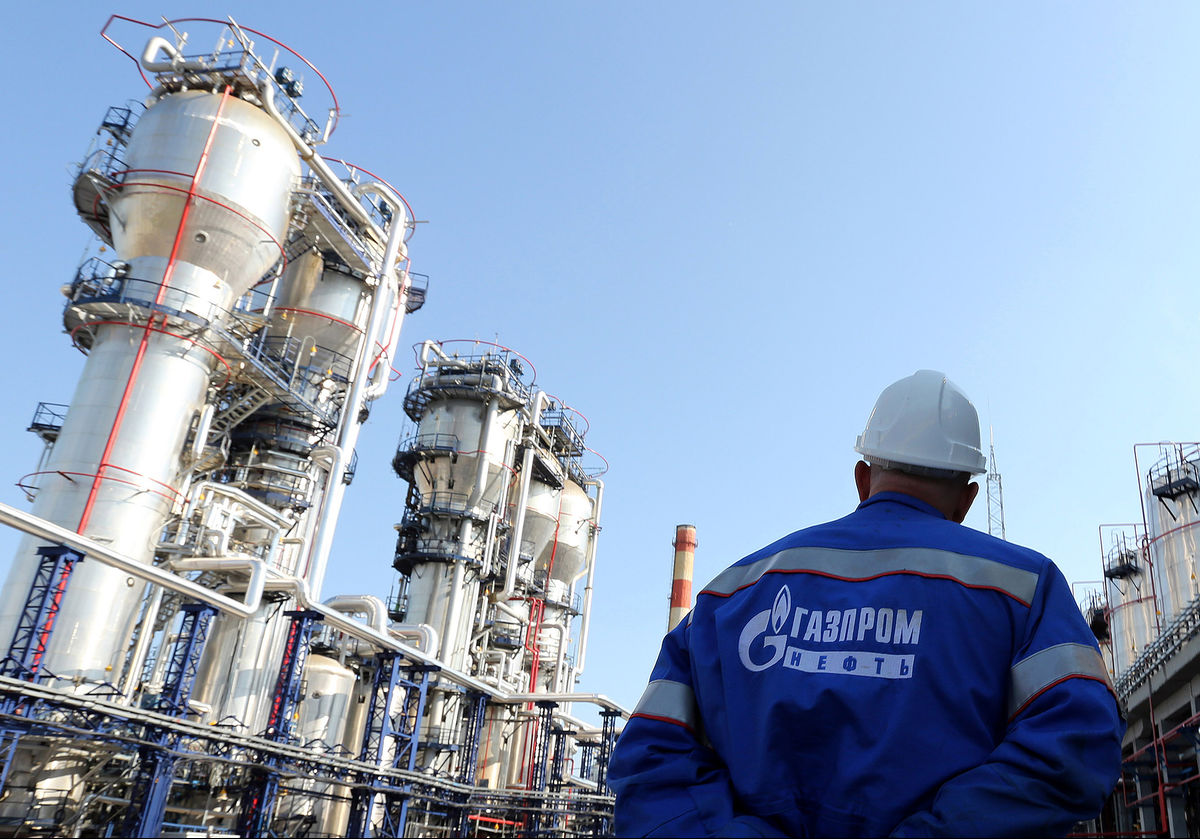
Price swings in London-traded shares of OAO Gazprom have risen to a six-year high amid rising concern that the world’s biggest producer of natural gas could halt deliveries to Europe amid a price dispute with war-torn Ukraine.
Fifty-day historical volatility in Gazprom’s American depositary receipts rose to 76 on Monday, the highest since 2009 and more than three times its level in November. The figure was 75 on Tuesday. Futures on the company’s Moscow-listed stock slipped 0.3 percent in U.S. hours. The stock dropped for a third day in Moscow, closing at a two-week low.
Gazprom, which provides about 30 percent of the European Union’s gas, said it will cut off supplies unless Ukraine pays for shipments to areas controlled by pro-Russian rebels. Ukraine says it’s been getting less than half of what it has prepaid Gazprom, in violation of their contract. Gazprom’s third-quarter net income dropped 62 percent as falling exports and slumping oil prices threaten to cut further into profit. Disputes with Ukraine briefly halted deliveries to the EU in 2006 and 2009.
“Gazprom’s exports to Europe are already low, its earnings are under pressure and dividends may be lower too,” Ildar Davletshin, an oil and gas analyst at Renaissance Capital, said by phone from Moscow. “There is a lot of uncertainty on how the situation will play out. Gazprom is very sensitive to the Ukraine crisis and halt of its deliveries to the EU through Ukraine would be a very negative factor.”
Prepaid Supplies
Ukraine is dependent on supplies from Russia and its Soviet-era pipeline network carries about 40 percent of Gazprom’s exports. Russia stopped deliveries to its neighbor in 2006 and 2009 during cold winter months because of payment disputes, leading to supply disruptions in Europe.
Without paying, Ukraine won’t receive Russian gas, Gazprom’s Chief Executive Officer Alexey Miller said in a statement in Moscow Tuesday. If prepaid supplies are used up by the end of the week, it risks “a complete termination of Russian gas supplies to Ukraine,” which would create “serious risks for gas transit to Europe.”
Naftogaz Ukrainy, Ukraine’s national oil and gas company that sends more than half of Gazprom’s exports to Europe, hasn’t gotten any explanation as to why the Russian company delivered just about 42 percent of prepaid gas volumes, Naftogaz CEO Andriy Kobolyev said in a TV interview Tuesday. Talks between Gazprom, Naftogaz and the EU may happen at the end of the week, he said, while accusing Gazprom of “blackmailing” the country.
Junk Rating
The dispute is gathering heat as Ukraine’s economy contracts amid a deadly conflict with pro-Russian rebels in the country’s east. The hryvnia has fallen 72 percent against the dollar over the past year and foreign reserves have sunk 61 percent to $6.4 billion in the four months through January.
Russia’s $2 trillion economy is also deteriorating, prompting Moody’s Investors Service to cut the country’s credit rating to junk on Feb. 20 with a negative outlook. Russia’s gross domestic product is set to shrink 4 percent this year as crude prices slumped almost 50 percent in 2014 and the ruble sank 46 percent.
Gazprom’s net income dropped to 106 billion rubles ($1.7 billion), while sales fell 5.9 percent. Free cash flow slid to 4.7 billion rubles in the third quarter, down 94 percent from the previous three-month period, according to calculations based on the company’s reports. Net debt rose 14 percent from the start of the year. Gazprom ties the prices in most of its export contracts to oil and refined products with a lag as long as nine months.
‘Shooting Itself’
“All this could be just strategy in wider talks with Ukraine,” Farid Abasov, analyst at SBG Securities in London, said by phone Tuesday. “For Gazprom to shut exports to Europe would be like shooting itself, but when it comes to politics there is very little room for rational reasoning. The risk is still there, even though halting supplies makes no economic sense.”
Sergei Kupriyanov, the Moscow-based Gazprom spokesman, didn’t respond to a request for comment when contacted by Bloomberg News by phone outside of normal business hours Tuesday.
Gazprom slipped 1.9 percent to 154.99 rubles in Moscow, the biggest decline since Feb. 2. Its ADRs rose 0.8 percent to $4.95 in London and gained 1.6 percent to $4.97 in New York.
The Bloomberg Russia-US Equity Index of the most-traded Russian companies in New York advanced 1.5 percent. The Market Vectors Russia ETF, the biggest U.S. exchange-traded fund that holds Russian shares, climbed 2.1 percent to $17.33. United Co. Rusal added 2 percent to HK$5.76 at 10:49 a.m. in Hong Kong, heading for the biggest gain since Feb. 6.
Here we are to serve you with news right now. It does not cost much, but worth your attention.
Choose to support open, independent, quality journalism and subscribe on a monthly basis.
By subscribing to our online newspaper, you can have full digital access to all news, analysis, and much more.
You can also follow AzerNEWS on Twitter @AzerNewsAz or Facebook @AzerNewsNewspaper
Thank you!