
Turkey’s ‘measured’ rate cut leaves premier calling for more
By Bloomberg
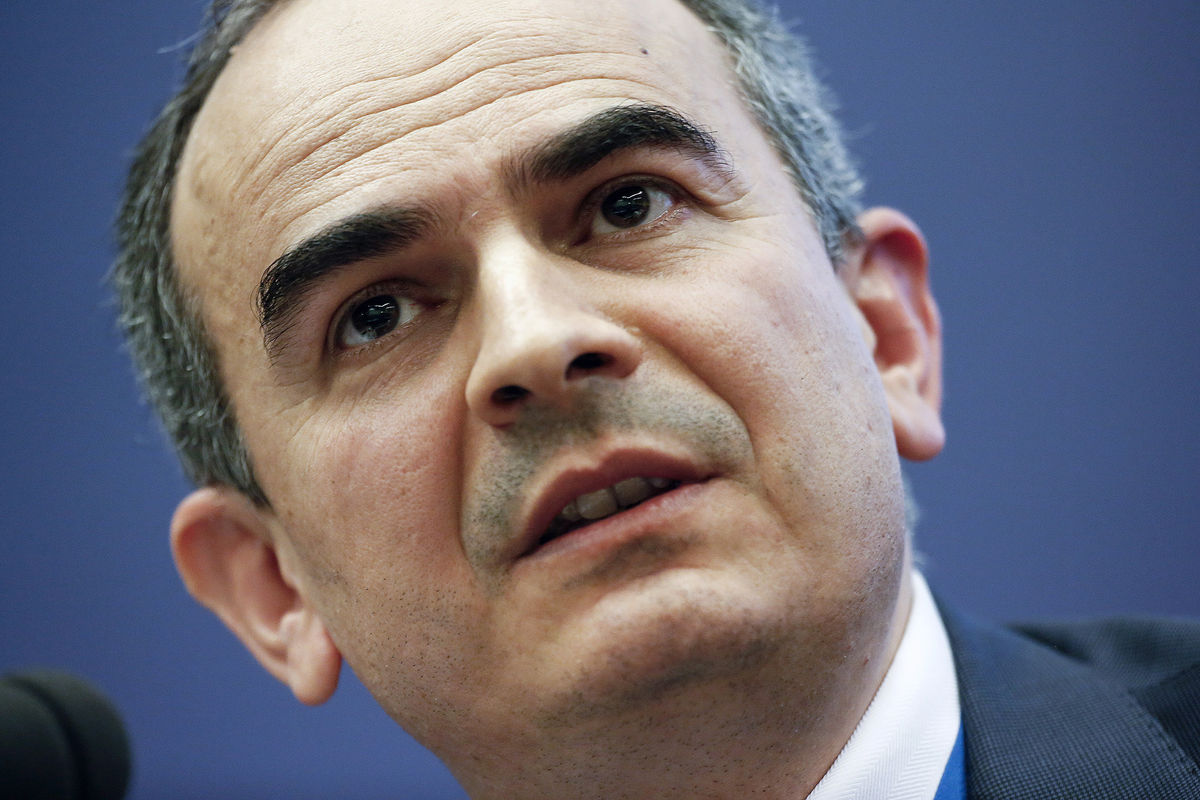
Turkey’s central bank Governor Erdem Basci said he made a “measured” cut in interest rates because increased volatility in prices prevented more drastic action.
Prime Minister Ahmet Davutoglu said the reduction should have been bigger, extending the feud between the country’s politicians and technocrats that has unnerved investors.
The bank in Ankara reduced its benchmark one-week repo and overnight borrowing rates by 25 basis points each on Tuesday, to 7.50 percent and 7.25 percent respectively. It trimmed the overnight lending rate by 50 basis points to 10.75 percent, according to a statement on its website. Analysts had forecast cuts to all three rates, according to Bloomberg surveys.
The government has persistently called for Basci to lower borrowing costs to boost economic growth since the bank more than doubled the main rate in an emergency meeting in January last year, to halt a run on the currency. Basci has so far only partially unwound that increase, saying that a cautious policy stance is necessary until there is a marked improvement in the inflation outlook.
Clashes over interest rates have contributed to a slide in the lira this year, as investors expressed concern that the tensions will undermine the bank’s ability to make decisions based on the $820 billion economy’s needs.
‘Cautious Approach’
The lira fluctuated after the latest rate cut and was trading at 2.4756 per dollar at 4 p.m. in Istanbul, little changed from the previous day’s close. The yield on Turkey’s two-year lira notes fell 18 basis points to 8.13 percent, and the benchmark stock index added 0.1 percent.
In a statement after Tuesday’s rate cut, the bank highlighted concerns about inflation that are holding it back. Unlike last month, it refrained from saying that it expected inflation to decline toward its 5 percent target by mid-year, from 7.2 percent in January.
Achieving a lasting reduction in inflation “necessitates a cautious approach in monetary policy,” the Monetary Policy Committee said. “Taking into account the elevated volatility in food and energy prices, the committee decided to cut the interest rates at a measured scale.”
Davutoglu said after the decision that a recent slowdown in inflation, combined with the slump in commodity prices, merited bigger cuts.
While oil has dropped more than half since June last year, it has rebounded since the bank’s last rate decision in January. The producer-price index for agriculture rose 13 percent in the 12 months through January, the biggest increase since September.
The bank’s reference to rising volatility in food and energy costs may be a sign that it sees less room for rate cuts than it did before, Piotr Matys, an emerging-market strategist at Rabobank International in London, said by e-mail.
“If that proves to be the case, a full-scale conflict might unfold between the central bank and the government, which expects more cuts in the coming months as reflected in comments from Davutoglu following today’s meeting,” he said.
Here we are to serve you with news right now. It does not cost much, but worth your attention.
Choose to support open, independent, quality journalism and subscribe on a monthly basis.
By subscribing to our online newspaper, you can have full digital access to all news, analysis, and much more.
You can also follow AzerNEWS on Twitter @AzerNewsAz or Facebook @AzerNewsNewspaper
Thank you!