
Ruble rallies 2nd day as cease-fire holding buoys Russian bonds
By Bloomberg
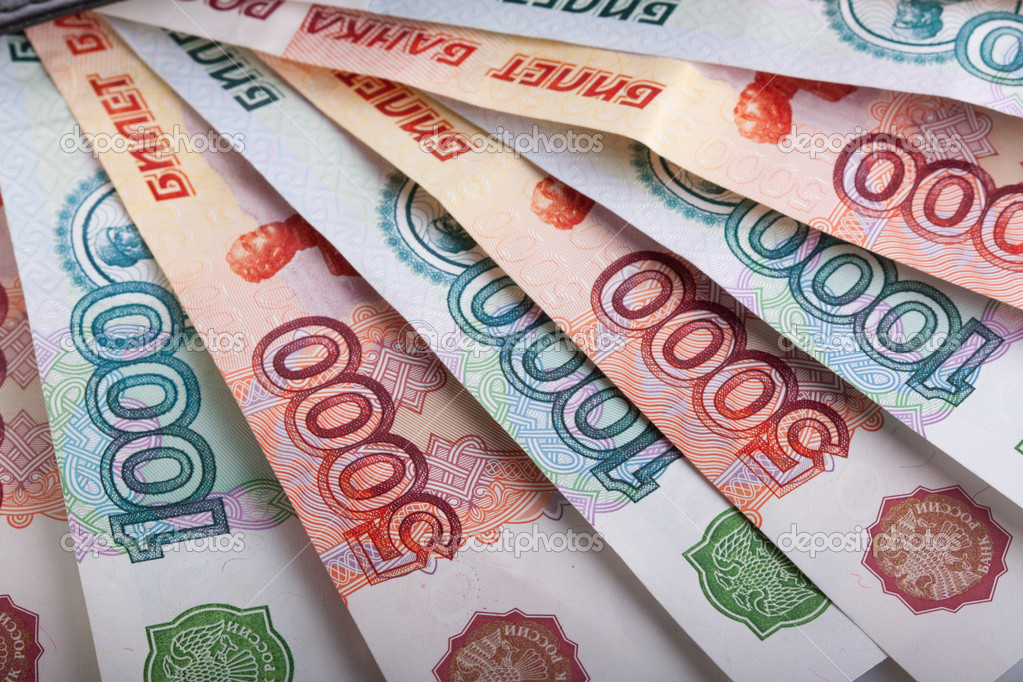
The ruble rose for a second day as oil traded above $60 per barrel and a fragile cease-fire in Ukraine appeared to hold.
The ruble strengthened the most against the dollar among emerging-market currencies on Monday and government ruble bonds advanced for a fourth day. The gains came even after the European Union expanded a blacklist over Ukraine to include a deputy Russian defense minister.
The latest cease-fire and climbing oil prices are buoying Russian assets that have been battered by U.S. and EU sanctions and the ruble’s 46 percent collapse last year. Previous halts in the Ukraine fighting have failed to stick and after the latest accord the government in Kiev and pro-Russian militants already accuse each other of violations near the town of Debaltseve, a key rail junction in the country’s east.
“The key factor behind ruble’s strengthening is the rise in the oil price and positive sentiment toward Russia following the peace talks,” Nikolay Zolotarev, head of the investment department at OAO MDM Bank in Moscow, said in e-mailed comments. “Market participants are really tired of negative news.”
The ruble rose 2.1 percent to 62.1850 versus the dollar as of 1:01 p.m. in Moscow, the strongest since Jan. 12. Yields on five-year ruble bonds fell 20 basis points to 13.15 percent, taking the four-day drop to 63 basis points.
Brent crude was little changed at $61.45 per barrel after surging 7.8 percent on Friday. Oil, which along with natural gas contributes half of Russia’s state revenue, held gains after a third weekly advance as U.S. companies slowed drilling and Libya’s state oil company threatened to halt the African nation’s production.
Oil Survival
“Brent trading above $60 is the main factor for Russian markets as it means the economy can survive,” Andrey Vashevnik, the chief investment officer at R&B Investment Fund Ltd. in Moscow, said by phone. “Nothing is clear about Ukraine. On the one hand we’ve got sanctions, on the other the truce.”
Russia’s annexation of Ukraine’s Crimea region in February last year and the sanctions and separatist violence that followed have pushed relations with the EU and U.S. to a post- Soviet low and driven the economy to the brink of recession. Optimism that last week’s deal will bring a lasting solution contributed to the ruble’s best week of gains this year.
Stocks Overbought
After rallying 2 percent on Friday, Russia’s Micex Index retreated from the highest level since April 2011 as a technical indicator showed the gauge’s gains may be overdone. Of 50 shares on the index, 49 traded above the 50-day moving average on Feb. 13, the highest proportion since January 2011, according to data compiled by Bloomberg. The Micex traded down 2.3 percent at 1,796.17 on Monday.
While fighting subsided along most of the front line of about 400 kilometers (250 miles) in eastern Ukraine, the standoff near Debaltseve emerged as the biggest threat to the deal brokered by the leaders of Russia, Ukraine, Germany and France. The militants demanded that Ukrainian troops surrender the battleground town as the two sides traded blame for breaking the cease-fire hours after it began.
“If oil directly leads to the ruble’s strengthening, Ukrainian truce has more of a temporary nature,” Oleg Popov, a money manager at Moscow-based April Capital Asset Management who oversees about $500 million, said by e-mail. “Many investors are highly skeptical of Ukraine peace efforts following 11 months of conflict.”
Here we are to serve you with news right now. It does not cost much, but worth your attention.
Choose to support open, independent, quality journalism and subscribe on a monthly basis.
By subscribing to our online newspaper, you can have full digital access to all news, analysis, and much more.
You can also follow AzerNEWS on Twitter @AzerNewsAz or Facebook @AzerNewsNewspaper
Thank you!