
Oil drops as gold advances; China stocks rise on stimulus bets
BY Bloomberg
Oil fell for the first time in four days and gold rallied amid efforts to defuse Greece’s debt standoff and the conflict in Ukraine. Chinese equities rose on speculation that the slowest inflation in five years allows room for further stimulus.
U.S. crude declined 1.3 percent by 8:21 a.m. in London after rallying more than 9 percent the past three days. Gold advanced 0.3 percent. The Shanghai Composite Index climbed 1.5 percent. The Stoxx Europe 600 Index fluctuated and Standard & Poor’s 500 Index futures gained 0.1 percent. Yields on U.K. 10- year gilts and similar Japanese bonds rose at least three basis points.
Oil’s recent rally is tapering amid forecasts for continued supply growth. A gauge of global equities fell to a one-week low yesterday as Greek leaders vowed to abandon austerity and diplomats sought a framework for talks over the conflict in Ukraine. China’s slowing inflation and a 35th straight contraction in factory gate prices give policy makers room undertake extra stimulus after cutting interest rates in November and reducing banks’ reserve requirements last week.
“Greece and Ukraine will continue to be persistent risks for investors,” Vasin Vanichvoranun, executive chairman of Kasikorn Asset Management Co., which oversees about $34 billion, said in an interview in Bangkok. “Volatility will be high. Chinese authorities have a strong intention to revive the economy and appear to have plenty of ammunition.”
West Texas Intermediate crude dropped to $52.18 a barrel after jumping 2.3 percent on Monday as OPEC cut its U.S. output forecast. American crude inventories expanded for a fifth week, according to analysts surveyed by Bloomberg before data due Wednesday.
$20 Oil?
Brent crude slipped 1.2 percent, trading at $57.62 a barrel. Oil may drop more than 50 percent to “the $20 range” by the start of the second quarter as oversupply fills storage tanks close to capacity, according to Citigroup Inc. Signs of a slowdown in U.S. drilling don’t mean the crude glut will be eliminated, Edward Morse, Citigroup’s global head of commodity research, said in a report e-mailed Monday.
“If we want to see the price back to $80 or $90 we need to see a good amount of current production taken out of the market, and that’s not happening,” David Lennox, a resource analyst at Fat Prophets in Sydney, said by phone. “We’re certainly not expecting any sustained rally until later in the year, and that will require someone to cut output.”
Gold Coins
Gold for immediate delivery climbed to $1,243.35 an ounce. There’s been a “noticeable increase” in Greek demand for gold coins amid the country’s political turmoil, said Lisa Elward, head of bullion sales at the U.K. Royal Mint. Greece’s foreign minister is due to meet with his Russian counterpart tomorrow.
Stocks fell Monday after Greek Prime Minister Alexis Tsipras vowed to negotiate an end to austerity, while European leaders urged him to pare back his ambitions. Greek Finance Minister Yanis Varoufakis faces his 18 euro-area counterparts on Feb. 11 at an emergency meeting in Brussels.
The Stoxx 600, which slid 0.7 percent on Monday, was little changed today. UBS Group AG fell more than 3 percent after reporting lower-than-expected earnings at its wealth management division and warning that the strong franc and negative interest rates may hurt profitability.
Hugo Boss AG fell 4.4 percent in Frankfurt after buyout firm Permira Holdings Ltd. further reduced its stake in the German clothier.
Michelin & Cie. dropped 4.1 percent after Europe’s largest tiremaker reported earnings for last year that missed analyst estimates as weaker demand and currency hurdles offset the benefits of lower raw materials costs.
VIX Surge
The Chicago Board Options Exchange Volatility Index, a gauge of expected swings in U.S. stock prices known as the VIX, climbed 7.3 percent on Monday to 18.55, its highest level since Feb. 2. The gauge averaged 14.18 last year. A similar measure for Japanese equities rose 1.1 percent in a second day of gains on Tuesday.
Hong Kong’s Hang Seng Index finished little changed while the Hang Seng China Enterprises Index advanced 0.4 percent, heading for its first gain in three days.
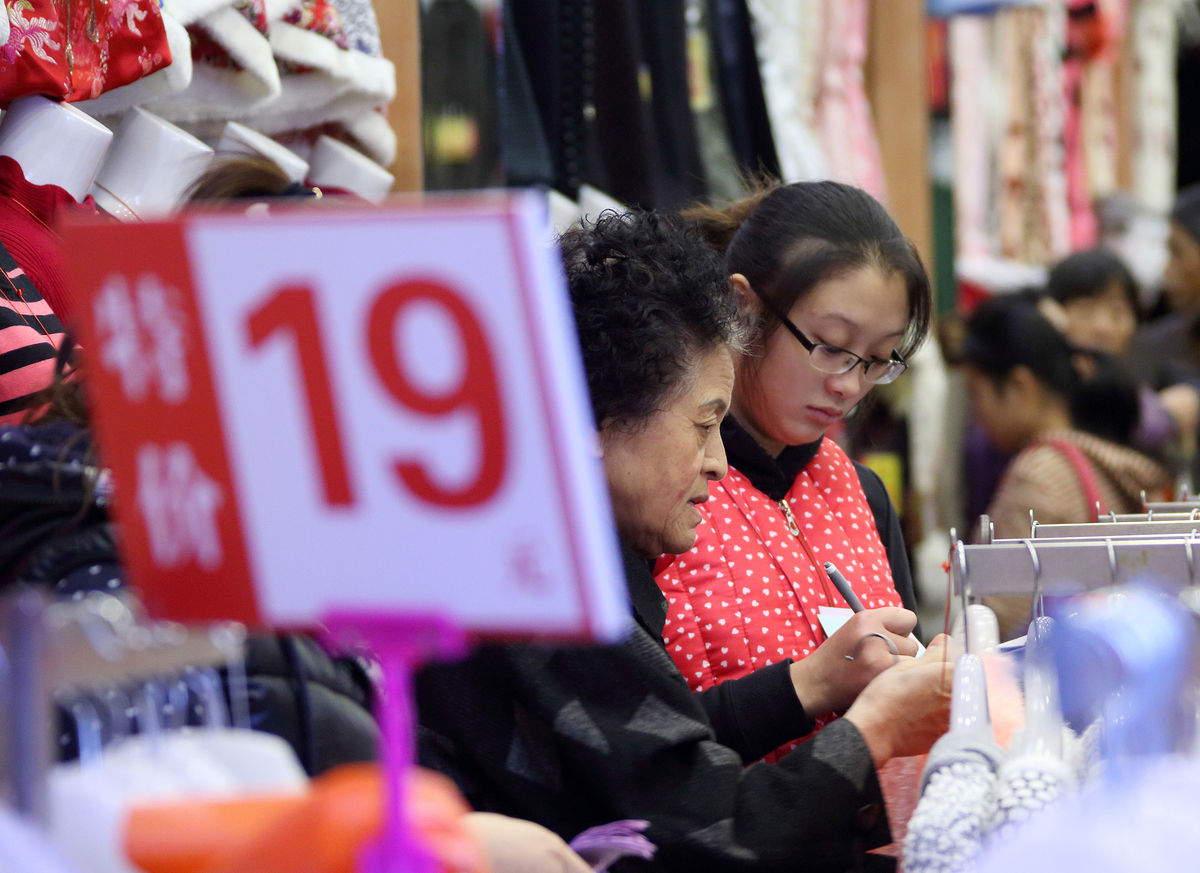
China’s consumer prices rose 0.8 percent in January while producer prices slid 4.3 percent, more than the 3.8 percent drop forecast by economists, amid slumping commodity prices and weak domestic demand.
The yen erased early gains to fall 0.1 percent, trading at 118.72 per dollar. The currency added 0.4 percent on Monday after plunging 1.3 percent Friday after a stronger-than- estimated U.S. jobs report. The yield on 10-year Japanese bonds rose 3 1/2 basis points to 0.39 percent today.
Greece’s three-year bond yields increased on Monday to the highest level since the nation’s debt was restructured in 2012. The country will seek about 10 billion euros ($11.3 billion) in short-term financing as it tries to stave off a funding crunch while pushing creditors to ease austerity demands, said a government official who asked not to be named because the negotiations are confidential.
Russia’s ruble was little changed today after the currency jumped 1.7 percent yesterday. Discussions over the situation in Ukraine resumed Monday, with the aim to work toward a summit for the leaders of Germany, France, Russia and Ukraine in Minsk, Belarus, set for Feb. 11.
Russian President Vladimir Putin said all sides must first agree on their positions before talks can take place. Ukraine said on Monday that 1,500 Russian troops crossed the border at the weekend to help insurgents in the country’s east.
Here we are to serve you with news right now. It does not cost much, but worth your attention.
Choose to support open, independent, quality journalism and subscribe on a monthly basis.
By subscribing to our online newspaper, you can have full digital access to all news, analysis, and much more.
You can also follow AzerNEWS on Twitter @AzerNewsAz or Facebook @AzerNewsNewspaper
Thank you!