
Microsoft outdoes Apple bellwether borrowing before rates rise
By Bloomberg
A week after Apple Inc. tapped the bond market, Microsoft Corp. did one better with its biggest sale ever.
Now Apple is planning its first debt issue in Swiss francs, which will allow it to take advantage of record-low funding costs after government yields in the nation turned negative.
The takeaway for investors: companies are borrowing before interest rates rise. The latest U.S. employment report showed the world’s biggest economy is improving. Futures contracts indicate investors are preparing for the Federal Reserve to increase rates this year.
“Apple’s known as a bellwether for issuing at just the right times,” said John Gorman, head of dollar interest-rate trading for Asia-Pacific at Nomura Holdings Inc. in Tokyo. “They traditionally have issued with yields very close to the lows. Everybody’s always wary when Apple issues.”
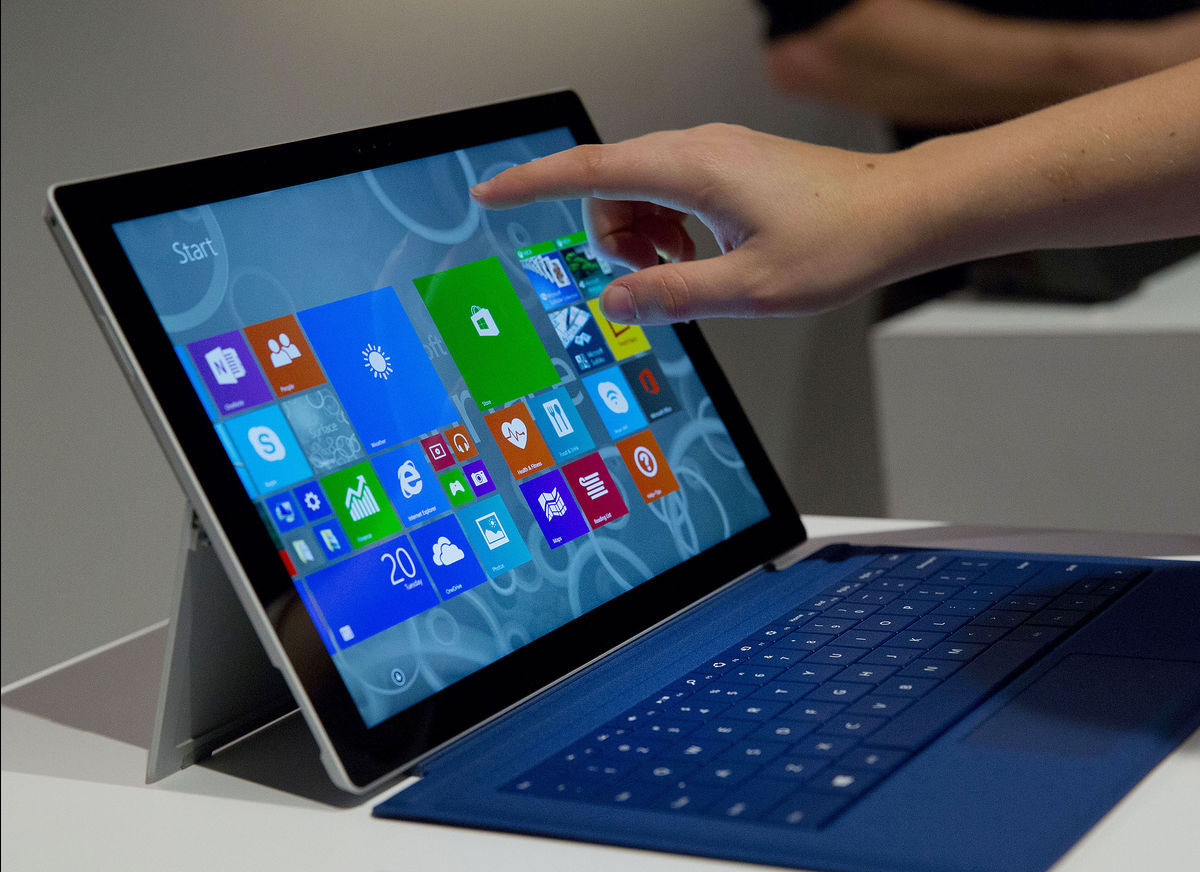
Microsoft, which makes the Windows computer operating system and is based in Redmond, Washington, sold $10.8 billion of debt on Monday.
Apple, the iPhone maker based in Cupertino, California, issued $6.5 billion of bonds last week. The company has hired Credit Suisse Group AG and Goldman Sachs Group Inc. to arrange its first sale of securities in Swiss francs, according to a person familiar with the matter.
Yields Climb
The benchmark U.S. 10-year yield was little changed Tuesday at 1.97 percent at 12:32 p.m. in Tokyo, according to Bloomberg Bond Trader data. The price of the 2.25 percent note due November 2024 was 102 15/32.
The yield has climbed from 1.64 percent on Jan. 30, which was the lowest since May 2013. It’s still less than the average for the past decade of 3.29 percent.
Employers in the U.S. added more jobs in January than economists predicted, capping the biggest three-month increase in 17 years, and worker earnings jumped, government data showed last week.
Futures contacts indicate there’s an 82 percent chance the Fed will boost its benchmark to at least 0.5 percent by December, data compiled by Bloomberg show. Policy makers have kept the target in a range of zero to 0.25 percent since December 2008.
Ten-year bonds in Switzerland yield negative 0.07 percent.
Falling interest rates are leading companies to borrow, according to Tom Tucci, head of U.S. Treasuries trading in New York for CIBC World Markets Corp.
‘Still Looking’
“We’ve seen this several times,” Tucci said on Bloomberg Radio last week. “When we make these yield lows, corporations come in handily to try to try to issue and gain the low-rate advantage. People are still looking for yield but high quality as well.”
Microsoft is has top level triple A credit grades from Moody’s Investors Service and Standard & Poor’s. Apple carries the second-highest rank from both.
U.S. investment-grade company bonds have returned 7.2 percent in the past year, versus 5.7 percent for Treasuries, based on Bloomberg World Bond Indexes.
Apple got it right when it sold $17 billion of bonds on April 30, 2013. It was the biggest corporate-debt issue on record at the time.
Two days later, the U.S. average investment-grade corporate bond yield fell to an all-time low of 2.64 percent, based on Bank of America Merrill Lynch data that go back to 1996. The yield is now 3.07 percent.
Here we are to serve you with news right now. It does not cost much, but worth your attention.
Choose to support open, independent, quality journalism and subscribe on a monthly basis.
By subscribing to our online newspaper, you can have full digital access to all news, analysis, and much more.
You can also follow AzerNEWS on Twitter @AzerNewsAz or Facebook @AzerNewsNewspaper
Thank you!