
Krone retaliates as currency wars grow more deadly
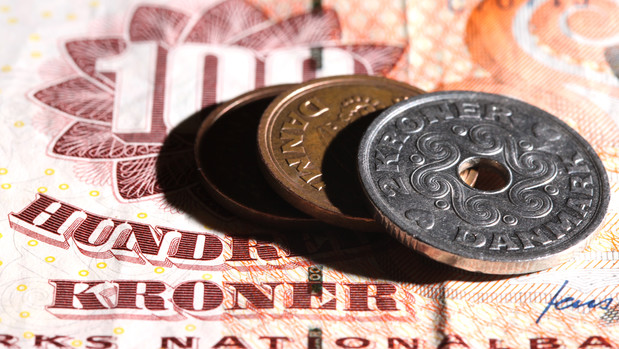
By Bloomberg View
After half a decade of growing ever sleepier, the currency market has started the year with its most volatile period since 2011. As the victims of the Swiss franc detonation lick their wounds, Denmark is battling to avoid its krone becoming the next victim of the global currency wars, wielding a combination ofnegative interest rates plus market interventions to sell its own currency plus scrapping government bond sales as it defends its peg to the euro. I've seen this movie before; it never ends well.
Currency Pegs
Denmark sprang a rate-cut surprise last week; the central bank will now charge you 0.5 percent for the privilege of having kroner on deposit. The bank's third easing in less than two weeks came after it spent as much as 100 billion kroner ($15 billion) this month trying to weaken its currency, according to estimates by Scandinavian lender Svenska Handelsbanken. Taking on traders is an expensive business.
The Swiss National Bank reminded us a fortnight ago that nothing is ever truly sacred in financial markets, abandoning its cap to the euro just days after declaring the policy sacrosanct. Since then, keeping the Danish krone close to a central rate against the euro of 7.46 -- the official wiggle room is a 2.25 percent corridor around that level, the actual room for maneuver has been more like 1 percent -- has kept the central bank's trading desk busy:
The central bank shocks have certainly come thick and fast this year, from the European Central Bank finally getting religion on quantitative easing, to the Federal Reserve adding "international developments" to its list of metrics to watch, to the deployment of negative official interest rates as a deterrent to speculators. No wonder overall volatility in foreign exchange has spiked higher:
The team at Marketfield Asset Management in New York, which manages about $9 billion and is led by founder Michael Shaoul, reckons it detects a shift in central bank attitudes that helps explain why volatility is on the increase. After a post-crisis period of trying to achieve stability in financial markets, policy makers are focusing more on the need to boost growth:
It is increasingly apparent that central banks have become agents of volatility within financial markets. Although we cannot go so far as to say that this is a deliberate change in policy, it is an outcome of bankers prioritizing economic progress over tranquility in capital markets. Arguably from early 2008 onwards the opposite had been the case.
The genesis of the present currency war is the desire of every country for a weaker currency to boost exports and growth. That, of course, can't happen, any more than you can mix heavy- metal music by making everything louder than everything else. So far, Denmark is a casualty of these wars, wounded but still in the fight. Economists are betting, though, that it will need to drive interest rates even further into negative territory to prevent speculators from bidding up the currency, which effectively punishes the nation's savers. At some point, Denmark may well decide the fight isn't worth it.
Here we are to serve you with news right now. It does not cost much, but worth your attention.
Choose to support open, independent, quality journalism and subscribe on a monthly basis.
By subscribing to our online newspaper, you can have full digital access to all news, analysis, and much more.
You can also follow AzerNEWS on Twitter @AzerNewsAz or Facebook @AzerNewsNewspaper
Thank you!