
S&P 500 futures fall amid GDP as treasuries rise; ruble tumbles
By Bloomberg
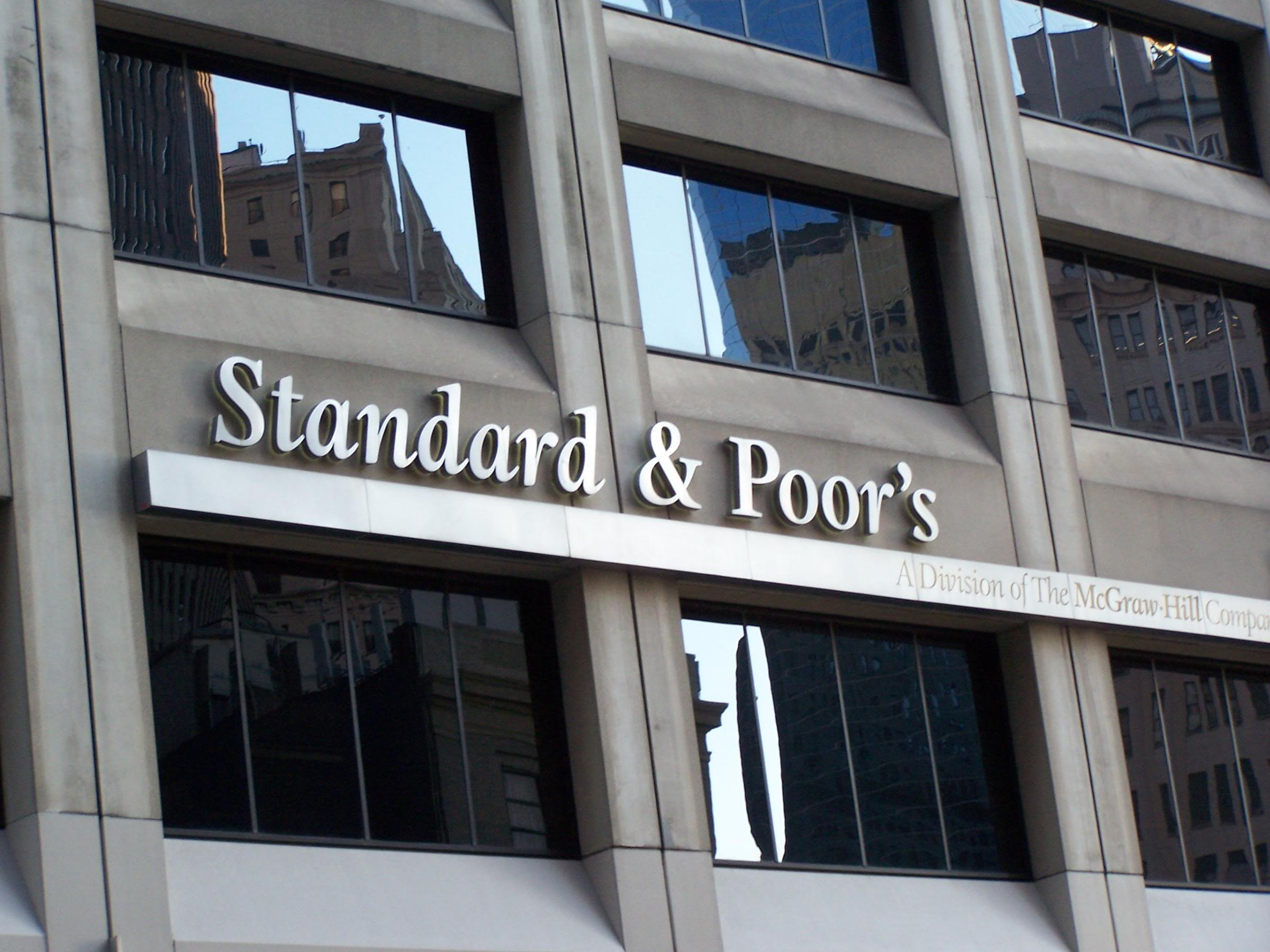
Standard & Poor’s Index futures fell and Treasuries rose after the U.S. economy expanded at a slower pace than forecast in the fourth quarter. European stocks pared the best start to a year since 1989 and the ruble weakened as Russia unexpectedly cut its key rate.
S&P 500 futures dropped 0.9 percent at 8:32 a.m. in New York. Treasury 10-year yields fell six basis points to 1.69 percent. A gauge of sovereign-bond yields around the world was near a record low as the threat of deflation globally fueled demand for fixed-income assets. The Stoxx Europe 600 Index slipped 0.2 percent. The ruble tumbled to as low as 71.8465 versus the dollar. Gold rose 0.5 percent and oil in New York traded 0.9 percent higher at $44.94 a barrel, trimming its seventh monthly decline.
U.S. gross domestic product grew at a 2.6 percent annualized rate after a 5 percent gain in the third quarter that was the fastest since 2003, Commerce Department data showed. Consumer prices in the euro area fell more than economists forecast in January, underscoring the challenges facing European Central Bank President Mario Draghi, who unveiled a 1.14 trillion-euro ($1.3 trillion) quantitative-easing program to combat deflation.
“The underlying demand for bonds remains strong and this applies globally,” said Jan von Gerich, an analyst at Nordea Bank AB in Helsinki. “We have some exceptions like the Federal Reserve that is trying to move toward less easy monetary policy but most are still going toward an easier policy. And then of course the big oil price drop was illustrated in falling inflation expectations.”
Inflation Falls
Bonds from U.S. Treasuries to European corporate securities have gained 1.7 percent in January, the best start to any year on record in a Bank of America Merrill Lynch index as central banks around the world cut interest rates and added to stimulus.
Yields on 30-year U.K. gilts fell to a record 2.087 percent, while the rate on similar-maturity Treasuries declined two basis points to 2.29 percent, approaching the all-time low of 2.2716 percent set on Jan. 28. Sweden’s five-year yield dropped below zero for the first time.
The annual inflation rate in the euro area fell to minus 0.6 percent, matching the biggest decline in prices in the history of the single currency. The drop exceeded economists’ estimates for a 0.5 percent slump.
The dollar fell 0.6 percent to 117.62 yen. That left the Bloomberg Dollar Spot Index set for a gain of 3 percent in January, its seventh monthly advance in a row.
Rising Volatility
Central banks in Canada, Switzerland and Singapore made surprise policy announcements this year that sent volatility in foreign-exchange markets up for a third-straight month. JPMorgan Chase & Co.’s global gauge of currency price swings climbed to as high as 11.68 percent this month, the most since June 2013, and was 10.95 percent on Jan. 30.
The euro is down 6.2 percent against the dollar this month. The so-called Loonie dropped 0.3 percent to C$1.2656, after touching C$1.2677 on Jan. 29, the weakest since April 2009. Canada’s currency dropped against all its major peers and was headed for an 8.2 percent monthly decline against the dollar, the biggest since 2008.
European Stocks
Thirteen of the 19 industry groups in the Stoxx 600 declined, with trading volumes 27 percent greater than the 30- day average on Friday, data compiled by Bloomberg show. The gauge has climbed 7.4 percent this month.
Banca Monte dei Paschi di Siena SpA slumped 5.9 percent after a report that the bank may raise more capital than previously planned. Tele2 AB slid 4.3 percent after reporting fourth-quarter earnings that fell short of analyst estimates.
S&P 500 futures declined after the index rebounded from a two-day loss. The gauge has lost 1.8 percent this month, the most in a year.
About 79 percent of the gauge’s 210 companies that have posted earnings this season have beaten analyst estimates, while 56 percent have topped sales projections, data compiled by Bloomberg show.
Amazon Climbs
Amazon.com Inc. surged 11 percent in early New York trading after the online retailer posted a fourth-quarter profit, following two straight quarters of losses. Biogen Idec Inc. climbed 6.4 percent after the drugmaker gave a 2015 profit forecast that surpassed analysts’ estimates. Costco Wholesale Corp. advanced 1.4 percent after the largest U.S. warehouse-club chain said it will return $2.2 billion to shareholders through a special dividend.
The MSCI Emerging Markets Index fell 1.2 percent, taking its loss for the week to 3 percent and paring its monthly advance to 0.5 percent.
The ruble weakened 2.7 percent 70.6295 and the yield on 2028 ruble bonds fell 24 basis points to 13.46 percent. The dollar-denominated RTS index of stocks slid 1.4 percent, extending this month’s drop to 6.8 percent.
Russia’s central bank cut the one-week auction rate to 15 percent from 17 percent. All but one of 32 economists in a Bloomberg survey forecast no change.
Credit-default swaps on Russia’s government debt rose seven basis points to 622 basis points, the highest level since March 2009.
More Sanctions
European Union governments moved toward imposing further economic sanctions on Russia on Thursday and add more names to a blacklist of individuals by Feb. 9.
The Shanghai Composite Index slid 1.6 percent, capping 4.2 percent decline in the week, the most for the period in more than a year. Chinese stocks have fallen as regulatory scrutiny of margin lending and tepid economic growth damp investor enthusiasm toward the benchmark index’s world-beating rally.
Turnover sank 64 percent from its peak in December, while new equity account openings fell 44 percent and purchases using borrowed money dropped 55 percent.
The Hang Seng China Enterprises Index of mainland companies listed in Hong Kong slipped 0.1 percent, leaving it 2.2 percent lower in January.
India’s S&P BSE Sensex slid 1.7 percent, the most in three weeks, after the nation’s second-largest bank by assets posted a drop in profit and the government began selling shares in Coal India Ltd. that may fetch about $3.7 billion.
Commodities Fall
The Bloomberg Commodity Index fell for a seventh month, the longest retreat in almost six years.
Brent crude futures rose 0.5 percent $49.38 a barrel, trimming this month’s loss to 14 percent. U.S. crude stockpiles increased last week to the highest in at least three decades, the Energy Information Administration reported Jan. 28. Saudi Arabia, the world’s biggest oil exporter, reiterated this week that it won’t cut supply to balance the market.
Copper gained 1.1 percent, paring a seventh weekly decline, before this weekend’s release of manufacturing data from China, the biggest metals consumer. Lead climbed 0.3 percent and zinc rose 1 percent.
The cost of insuring European corporate debt rose this week, paring a monthly decline. The Markit iTraxx Europe Index of credit-default swaps on investment-grade companies fell to a more than seven-year low of 52 basis points Jan. 26 and is now at 57 basis points, according to data compiled by Bloomberg.
Here we are to serve you with news right now. It does not cost much, but worth your attention.
Choose to support open, independent, quality journalism and subscribe on a monthly basis.
By subscribing to our online newspaper, you can have full digital access to all news, analysis, and much more.
You can also follow AzerNEWS on Twitter @AzerNewsAz or Facebook @AzerNewsNewspaper
Thank you!