
Ebola at turning point as cases drop to lowest since June
By Bloomberg
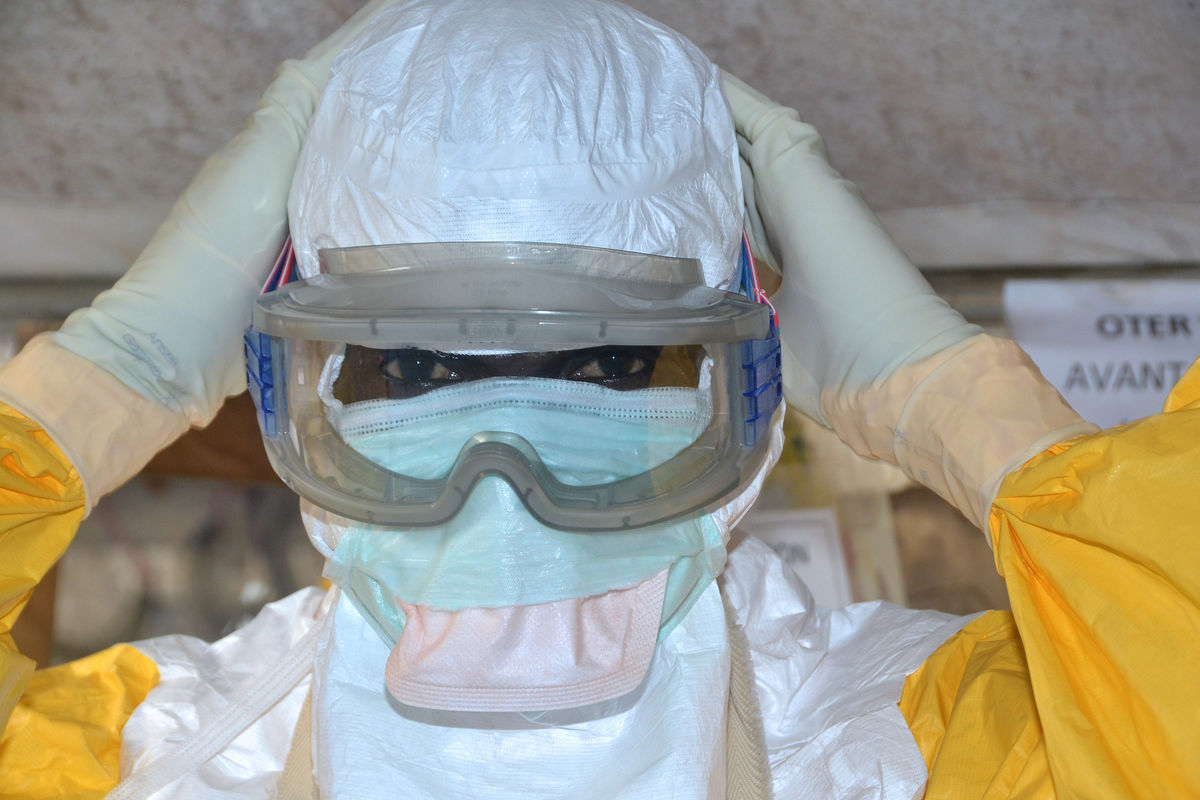
New cases of Ebola in West Africa dropped to less than 100 a week for the first time since June, signaling progress toward ending an epidemic that has lasted more than a year and claimed almost 9,000 lives.
A total of 99 confirmed cases were reported in the week ended Jan. 25 in Sierra Leone, Guinea and Liberia, the World Health Organization said in a statement today.
As the caseload declines, efforts to curb the outbreak have shifted from building treatment centers to focusing more on quickly identifying Ebola cases, educating people about risks and encouraging safe burial of the dead. Health officials have warned that a single new case has the potential to reignite the outbreak.
“The response to the Ebola epidemic has now moved to a second phase, as the focus shifts from slowing transmission to ending the epidemic,” the WHO said.
Confirmed Ebola cases declined to 65 in Sierra Leone and four in Liberia during the week, while Guinea reported 30 new cases, up from 20 the previous week. The prefecture of Mali in northern Guinea, which borders Senegal, reported its first case, the WHO said.
The fatality rate for those who make it to a hospital is 54 percent to 62 percent in the three most-affected countries, and there is “no indication of improvement over time,” the Geneva-based group said.
Case Tracking
Health workers are still struggling to ensure that most cases are discovered among people who are known to have had contact with the virus.
In the week ended Jan. 18, only 30 percent of new cases in Guinea arose among “registered contacts,” the WHO said. The target is 100 percent, “so that each and every chain of transmission can be tracked and terminated.”
Since December 2013, the virus has infected more than 22,000 people and killed more than 8,800. A total of 816 health workers have been infected in the three countries, and 488 have died.
The slowing outbreak is complicating development of experimental vaccines for Ebola and the large-scale clinical trials that will soon begin in Liberia and Sierra Leone. Fewer infections will require larger numbers of participants and may make it difficult to collect data needed to determine whether the vaccines really work.
Glaxo Vaccine
A vaccine developed by GlaxoSmithKline Plc and the U.S. National Institutes of Health was found to be safe and provoked an immune response in a small trial of healthy volunteers in Oxford, England, according to results published in the New England Journal of Medicine yesterday.
While the level of immune response was less than observed in monkeys in earlier studies, it’s still unknown what degree of immunity is required to protect humans from infection, said Jonathan Ball, professor of molecular virology at the University of Nottingham.
“That’s why clinical trials are important,” Ball said in a statement. “It is possible to boost the immunity by giving a second, different vaccine, at a later date, but this won’t be easy, given the relatively poor health infrastructures available in the worst-affected areas.”
Nearly all volunteers in the trial in England were Caucasian, so the larger trial in Liberia is also important to see how the vaccine works in people of African descent, said Ben Neuman, a virologist at the University of Reading.
Here we are to serve you with news right now. It does not cost much, but worth your attention.
Choose to support open, independent, quality journalism and subscribe on a monthly basis.
By subscribing to our online newspaper, you can have full digital access to all news, analysis, and much more.
You can also follow AzerNEWS on Twitter @AzerNewsAz or Facebook @AzerNewsNewspaper
Thank you!