
Oil drops as Saudis resist output cuts amid rising U.S. supplies
By Bloomberg
Oil fell as Saudi Arabia, the world’s biggest exporter, signaled it won’t act to balance the market while forecasts for U.S. crude inventories to rise bolstered speculation that a global glut will persist.
Futures dropped as much as 2 percent in New York. Supply and demand and the “rules of economics will govern,” Khalid Al-Falih, said the chief executive officer of Saudi Arabian Oil Co., said at a conference in Riyadh. Crude stockpiles probably expanded for a third week, a Bloomberg News survey shows before an Energy Information Administration report on Wednesday.
Oil slid almost 50 percent last year as the U.S. pumped at the fastest pace in more than three decades while the Organization of Petroleum Exporting Countries resisted calls to cut supply. Saudi Oil Minister Ali Al-Naimi, who has said non- OPEC producers should reduce their output first, met with the ambassadors of Russia and Norway to discuss market stability, according to the kingdom’s official press agency.
“It’s interesting that the Saudis are repeating their position as strongly and as often as they are,” Ric Spooner, a chief strategist at CMC Markets in Sydney, said by phone. “That does indicate a degree of planning to make sure that nobody is under any illusions about where they stand on this, including other OPEC members.”
West Texas Intermediate for March delivery decreased as much as 90 cents to $45.33 a barrel in electronic trading on the New York Mercantile Exchange and was at $45.57 at 1:28 p.m. Singapore time. The contract climbed $1.08 to $46.23 on Tuesday, the first gain in four days. The volume of all futures traded was about 33 percent below the 100-day average.
OPEC Output
Brent for March settlement lost as much as 81 cents, or 1.6 percent, to $48.79 a barrel on the London-based ICE Futures Europe exchange. It advanced $1.44 to $49.60 on Tuesday. The European benchmark crude traded at a premium of $3.47 to WTI.
Saudi Arabia, OPEC’s largest producer, led its decision at a November meeting to maintain collective quotas at 30 million barrels a day. The 12-member group, which supplies about 40 percent of the world’s oil, produced 30.2 million a day last month, data compiled by Bloomberg show.
“Saudi Arabia will not singlehandedly balance the market in a downturn,” Al-Falih said on Tuesday, reiterating government policy. With its output capacity maintained and exports declining, “imbalance in the market absolutely has nothing to do with” the kingdom, he said.
U.S. Supplies
Crude inventories in the U.S., the world’s biggest oil consumer, probably increased by 3.85 million barrels to 401.7 million in the week ended Jan. 23, according to the median estimate in the Bloomberg survey of 10 analysts. That would be the highest level in records compiled since August 1982 by the EIA, the Energy Department’s statistical arm.
Stockpiles rose by 12.7 million barrels last week, the industry-funded American Petroleum Institute in Washington said, based on reports on Twitter.
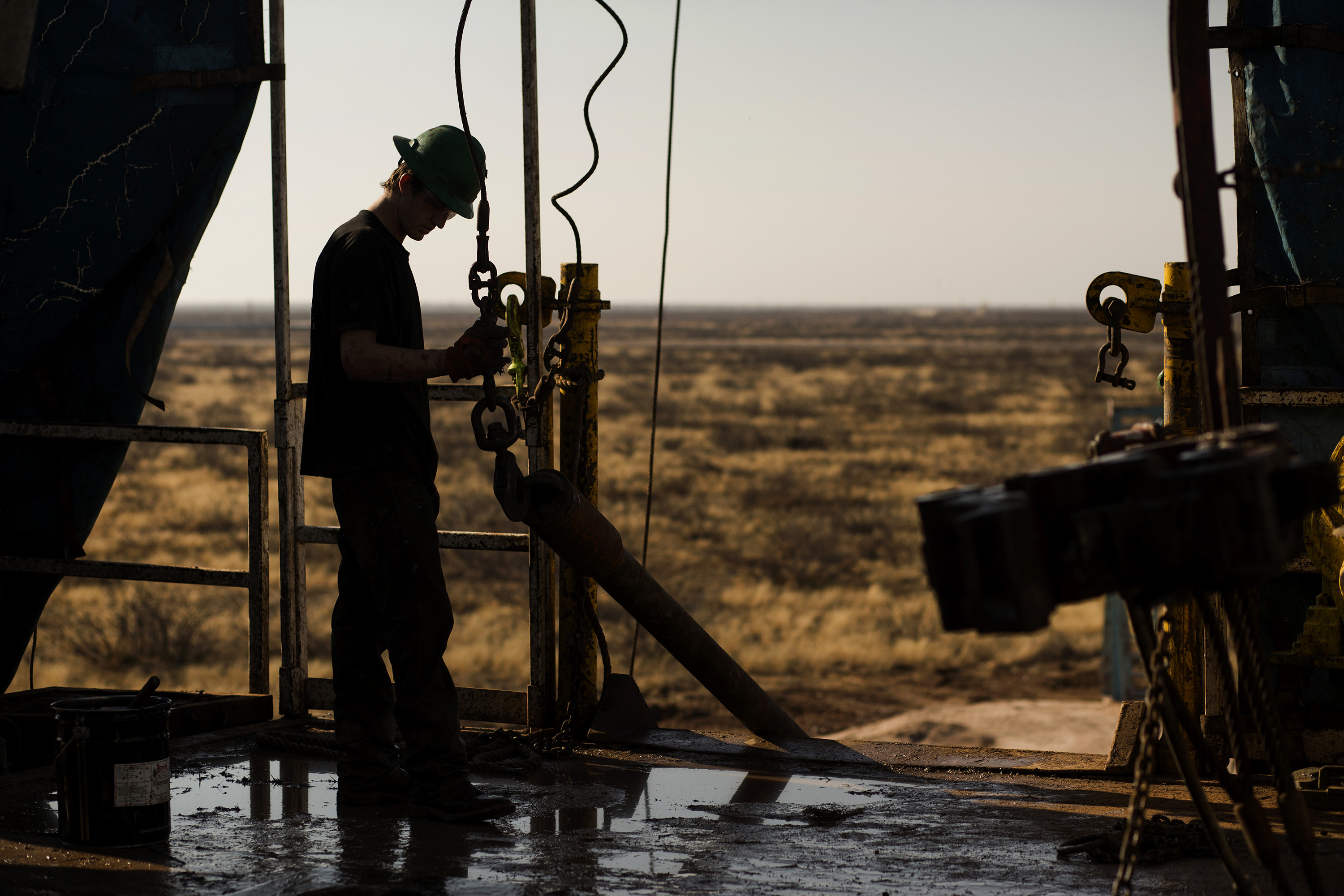
The nation’s oil boom has been driven by a combination of horizontal drilling and hydraulic fracturing, which has unlocked shale formations from Texas to North Dakota. Production averaged 9.19 million barrels a day through Jan. 9, the most in weekly EIA records dating back to January 1983.
Here we are to serve you with news right now. It does not cost much, but worth your attention.
Choose to support open, independent, quality journalism and subscribe on a monthly basis.
By subscribing to our online newspaper, you can have full digital access to all news, analysis, and much more.
You can also follow AzerNEWS on Twitter @AzerNewsAz or Facebook @AzerNewsNewspaper
Thank you!