
Ruble colluding with oil brews toxic loan morass: Russia credit
By Bloomberg
An increasingly toxic mixture of high interest rates, spiraling inflation and plunging oil means Russian banks will probably need a lot more than the $18 billion set aside last year to protect against bad loans.
Russia is facing an “extremely widespread” banking crisis in 2015, and lenders may need to boost provisions for souring debts to $50 billion should oil stay in the mid-$40s, according to Herman Gref, the head of the nation’s biggest lender, OAO Sberbank. That’s after banks increased reserves by 42 percent last year, compared with 27 percent in Turkey and 7.5 percent in Poland in the first 11 months, official figures show.
Seven of Russia’s 10 worst-performing bonds this year are from banks as policy makers raised rates by the most since 1998 to shore up the ruble, whose 47 percent slide over the past 12 months deepened the burden of loan payments for consumers and businesses. With the economy foundering after crude’s decline and sanctions over Ukraine, the ratio of bad debt will double from the third quarter of 2014 to as much as 13 percent by year- end, according to Liza Ermolenko at Capital Economics in London.
“Bad loans will continue to pile up,” Yulia Safarbakova, an analyst at BCS Financial Group, said by phone. “Companies can’t refinance because of the rate increase and the ruble devaluation has hit them hard.”
Front Line
Lenders are on the front line of Russia’s economic crisis, bearing the brunt of oil’s slump and sanctions over President Vladimir Putin’s annexation of Crimea from Ukraine in March. The turmoil that followed forced the central bank to raise interest rates six times to shore up the ruble, choking loan growth to an almost four-year low, while retail deposits declined and bank profits tumbled 41 percent.
The currency’s slide helped drive inflation to a five-year high of 11.4 percent in December, curtailing the central bank’s ability to reduce borrowing costs even as executives of the biggest Russian banks warn of the strain they are under.
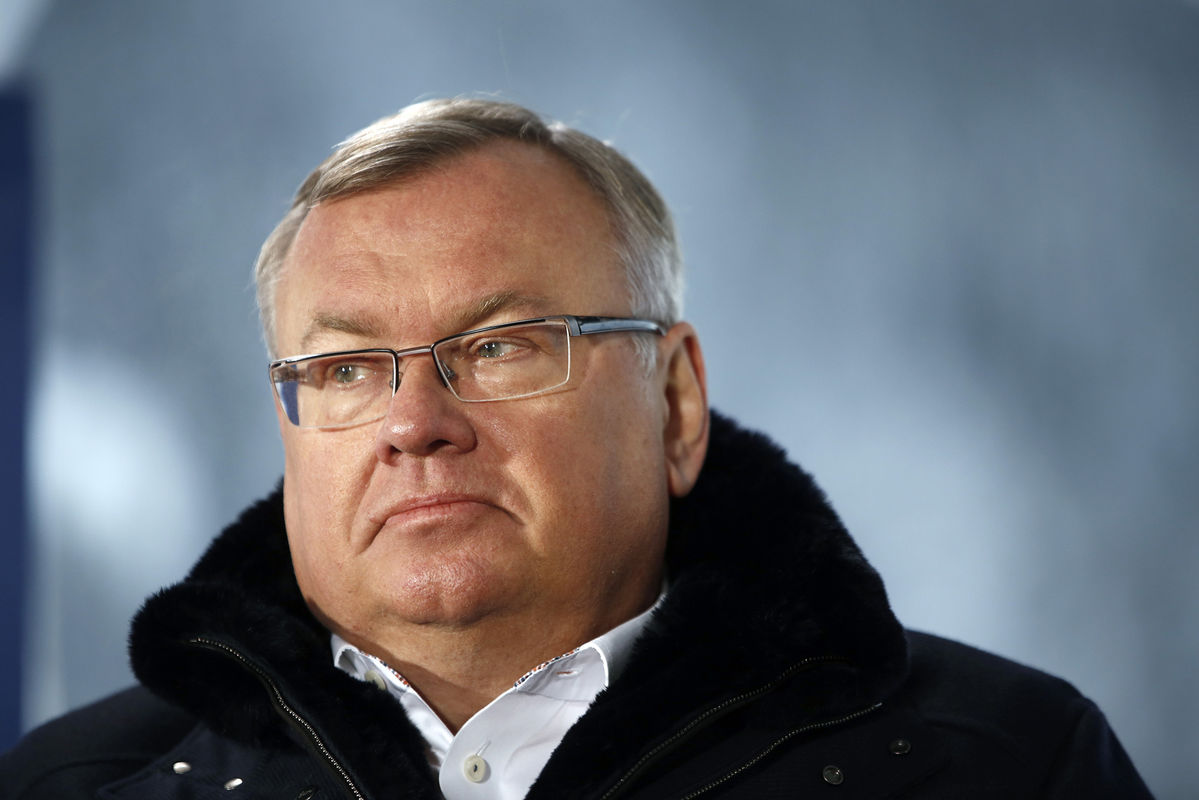
Andrey Kostin, chief executive officer of VTB Group, called on policy makers to lower borrowing costs to 10 percent from 17 percent as soon as the ruble stabilizes. Russia’s second-biggest bank will suffer “significant” losses if that doesn’t happen, he said in an interview in Davos, Switzerland on Jan. 21. VTB already cut more than a third of its employees in Europe as sanctions restricted its ability to do business.
Tripling Provisions
The yield on Sberbank’s dollar-denominated notes maturing in May 2023 jumped 180 basis points this year after the lender tripled provisions for overdue loans in 2014. Individuals are struggling to make loan payments as their real incomes dropped, unexpectedly, by 4.7 percent in December, the most in eight months.
“Firms and households may struggle to meet their debt repayments, causing NPLs to rise,” Capital Economic’s Ermolenko said by e-mail on Jan. 22. “With the economy heading for a deep recession and inflation accelerating, real incomes and profits will contract.”
Authorities have taken steps to stabilize the industry. Parliament approved a 1 trillion-ruble ($15.5 billion) bank recapitalization plan last month and the central bank is allowing lenders to use third-quarter exchange rates to value risk-weighted assets instead of marking to market.
Looming Recession
Along with the Dec. 16 rate increase, these measures helped limit the ruble’s losses. While it has weakened 4.5 percent against the dollar this year, the currency remains 21 percent away from its record-low. The ruble declined 0.6 percent to 64.5265 per dollar by 3:58 p.m. in Moscow.
“As the ruble stabilizes, the situation with deposits will get better and people will return their savings to banks,” Oleg Popov, a money manager at Allianz Investments in Moscow, said by phone on Jan. 22.
Still, delinquent loans are poised to climb, Popov said, as the economic slump deepens. Gross domestic product poised to shrink 3.2 percent in 2015, according to the median estimate of 28 analysts surveyed by Bloomberg. That’s the most since GDP contracted 7.8 percent in 2009.
“Considering that the recession is looming, problems in the banking sector will continue to rise,” Natalia Berezina, a banking analyst at UralSib Capital, said by phone on Jan. 22.
Here we are to serve you with news right now. It does not cost much, but worth your attention.
Choose to support open, independent, quality journalism and subscribe on a monthly basis.
By subscribing to our online newspaper, you can have full digital access to all news, analysis, and much more.
You can also follow AzerNEWS on Twitter @AzerNewsAz or Facebook @AzerNewsNewspaper
Thank you!