
It’s deja vu as Carney seen holding rates in 2015: U.K. credit
By Bloomberg
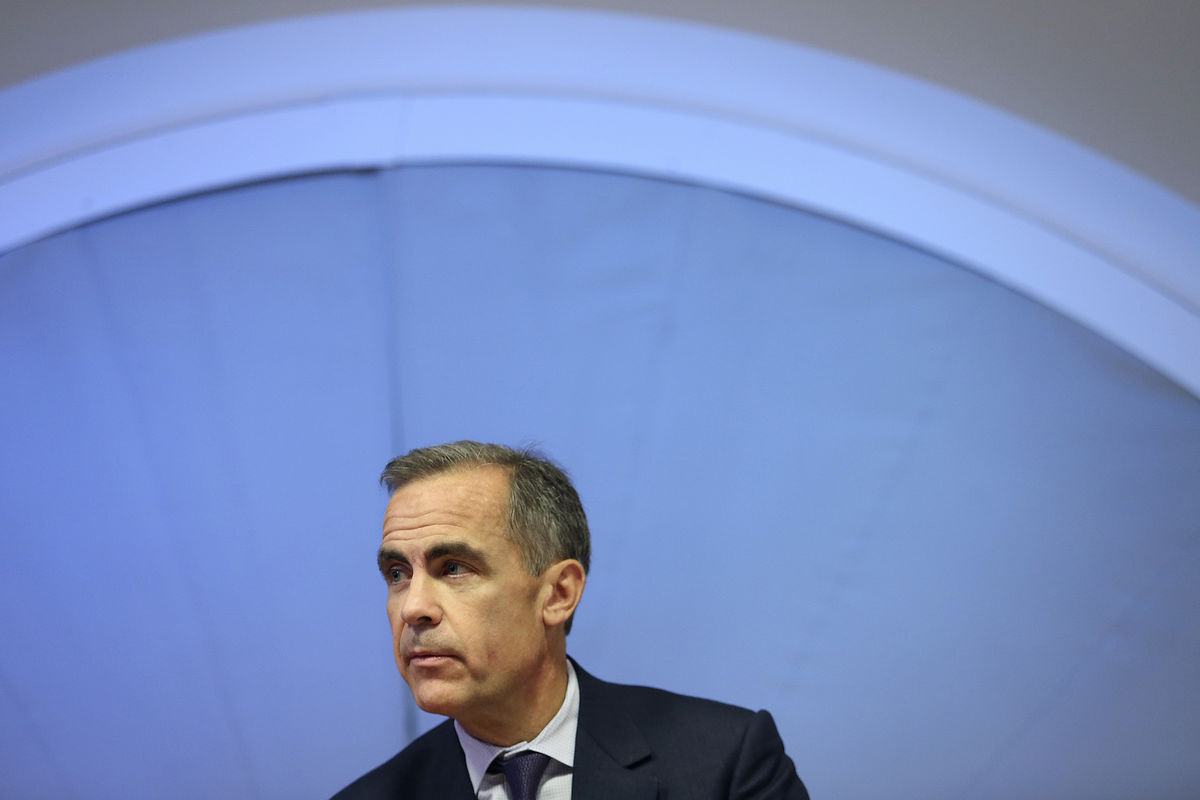
This year is looking a lot like 2014 for Bank of England Governor Mark Carney.
As he concludes his first policy meeting of 2015, the outlook remains dominated by a weak euro-area economy that’s showing few signs of recovery, political risks at home and inflation below the 2 percent target. Investors see more of the same, with derivatives contracts now suggesting record-low borrowing costs will persist for the next 12 months.
The mix of events gives the nine-member Monetary Policy Committee little reason to raise the key interest rate from 0.5 percent at their meeting today. While improving wage growth may support the case of two members that a rate increase is needed now, the prospect of another year of below-target inflation is keeping them in the minority for now. The MPC’s decision will be announced at noon.
“What we’ve learned through 2014 is that the risk of leaving monetary policy too loose for too long is not as big of a concern as we thought,” said Simon Wells, an economist at HSBC Holdings Plc in London and a former BOE official. With inflation heading lower, “it’s not an environment where you’re going to be in a big hurry to tighten.”
Strains in the euro zone, Britain’s biggest trading partner, are holding back an economy that is starting to feel the effects of tumbling oil prices. Consumer prices rose an annual 1 percent in November, the least in more than a decade.
ECB Stimulus
In the euro region, European Central Bank President Mario Draghi is moving toward full quantitative easing after consumer prices fell for the first time in more than five years in December.
ECB officials met in Frankfurt yesterday, though they aren’t scheduled to make their first monetary-policy announcement of the year until Jan. 22. The Governing Council has reduced the frequency of its policy-setting meetings, a change Carney is preparing for the BOE.
At home, a general election that’s four months away also provides reason for the BOE to hold fire. Opinion polls show no clear winner, setting the stage for another coalition or a minority administration. This electoral roadblock to policy change echoes the market jitters that preceded the Scottish independence referendum in September.
The 53 percent drop in oil prices in the past six months is compounding the inflation slowdown in the U.K. Brent crude fell below $50 a barrel yesterday for the first time since 2009.
Carney Letter
BOE forecasts published in November show inflation won’t return to its target until 2017. Data next week may show inflation below 1 percent in December, which would force Carney to write his first-ever open letter of explanation to Chancellor of the Exchequer George Osborne.
Interest-rate futures show only 12 basis points of interest-rate tightening is being priced in by November. As recently as August, the market was fully pricing in a 25 basis- point increase by February.
Like their German counterparts, U.K. government bond yields have also been falling. The two-year yield fell this week to the lowest since October 2013.
Recent surveys show some of the shine has come off of the recovery, and Markit Economics’ Purchasing Managers Indexes suggest economic growth slowed to 0.5 percent in the fourth quarter, which would be the weakest pace in a year.
“For most of the committee, they don’t see the point of rushing and choking off the recovery,” said Alan Clarke, an economist at Scotiabank in London. “Inflation heading close to zero is a sticking point.”
Bright Spots
There are some bright spots. Wage growth has strengthened and is now outpacing inflation for the first time since 2009.
That recovery may help Martin Weale and Ian McCafferty keep up their dissent. They have been voting for quarter-point rate increases since August, saying a move is needed to prevent wage increases from feeding price pressures.
“The economy is growing robustly, unemployment is falling quickly and no one is going to delay buying a television because it costs less to fill up a car,” said Rob Wood, an economist at Berenberg Bank in London. “They face absolutely no need to raise interest rates when inflation is heading down towards zero but they will need to be careful about when they start hiking, so it’s not too late.”
Here we are to serve you with news right now. It does not cost much, but worth your attention.
Choose to support open, independent, quality journalism and subscribe on a monthly basis.
By subscribing to our online newspaper, you can have full digital access to all news, analysis, and much more.
You can also follow AzerNEWS on Twitter @AzerNewsAz or Facebook @AzerNewsNewspaper
Thank you!