
Ruble weakens for second day as Russian tax payments wind down
By Bloomberg
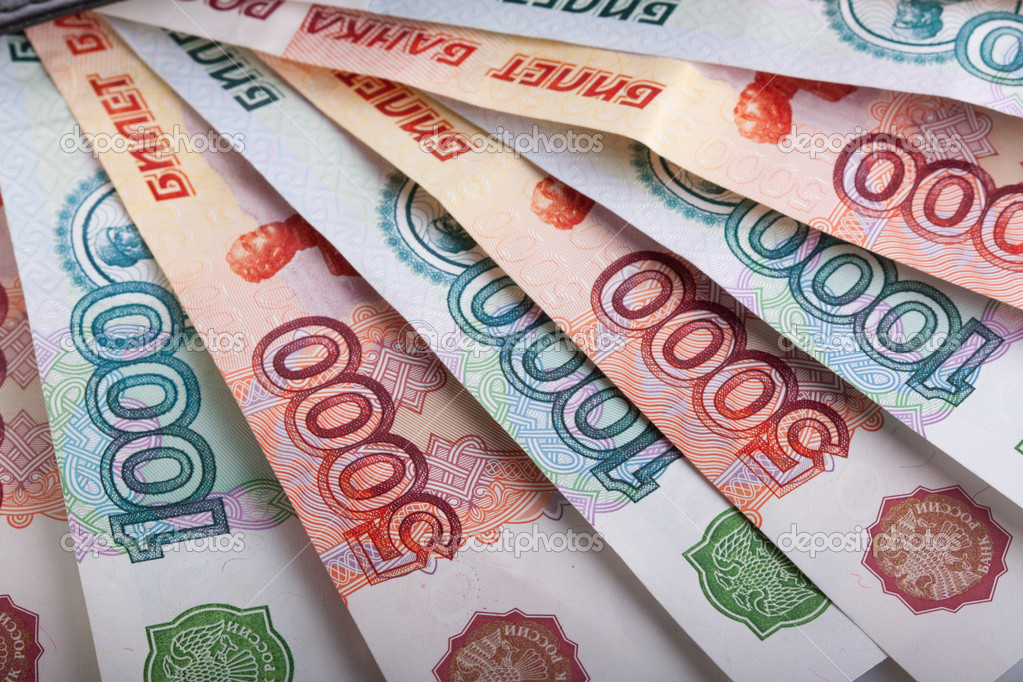
The ruble fell for a second day as local demand from year-end tax payments and exporters waned, exposing the Russian currency’s vulnerability to weaker oil prices.
The ruble slid 3 percent to 55.70 a dollar by 11:57 a.m. in Moscow. It jumped 8.4 percent in the five days through Dec. 26, the largest weekly advance since 1998, spurred by corporate demand to meet tax deadlines and as the government instructed five state-controlled exporters to sell foreign-exchange revenue. Brent crude rose 1 percent to $60.03 a barrel in London today, paring this month’s drop to 15 percent.
“The ruble is moving back to the equilibrium price,” Vladimir Osakovskiy, the chief economist for Russia and the Commonwealth of Independent States at Bank of America Corp. in Moscow, said in e-mailed comments. “Oil is so far failing to cling to the level above $60 per barrel, while selling of foreign currency in order to pay taxes is over.”
Along with sanctions over the conflict in Ukraine, weaker energy prices are exacerbating the risks facing Russia as its economy heads into a recession and Standard & Poor’s considers cutting the sovereign’s credit rating to junk. Measures by Russia’s government and central bank to prop up the ruble since it slumped to a record-low 80.10 a dollar temporarily took the currency out of step with oil, which along with natural gas makes up about 50 percent of Russia’s budget revenue.
The ruble has fallen 41 percent this year, the most among 24 developing countries monitored by Bloomberg and putting it on course for the worst year since 1998, when Russia defaulted on local debt. Brent, the oil grade traders use to price Russia’s main export blend, slumped 46 percent in 2014.
Low Volumes
Average trading volume in the ruble was about 30 percent below the 12-month average last week, according to data compiled by Bloomberg. Some traders are closing exposure to Russia before the holiday, according to Osakovskiy. The country’s markets will close for an annual New Year’s break from Dec. 31 through Jan. 4 and for a Christmas holiday on Jan. 7.
S&P said Dec. 23 there’s at least a 50 percent chance it will cut the sovereign’s credit rating to below investment grade within 90 days, citing “a rapid deterioration of Russia’s monetary flexibility and the impact of the weakening economy on its financial system.”
The economy of the world’s largest energy exporter is set to shrink 1.4 percent next year, the average of 46 analyst estimates compiled by Bloomberg show.
The Micex Index of equities rose for a fourth day, adding 1.6 percent to 1,440.77. OAO Magnit, Russia’s largest retailers, climbed 3.3 percent while OAO Lukoil gained 3 percent. The yield on five-year government bonds rose one basis points to 15.33 percent.
Here we are to serve you with news right now. It does not cost much, but worth your attention.
Choose to support open, independent, quality journalism and subscribe on a monthly basis.
By subscribing to our online newspaper, you can have full digital access to all news, analysis, and much more.
You can also follow AzerNEWS on Twitter @AzerNewsAz or Facebook @AzerNewsNewspaper
Thank you!