
Plunging ruble pummels profits of foreign companies in Russia
By Bloomberg
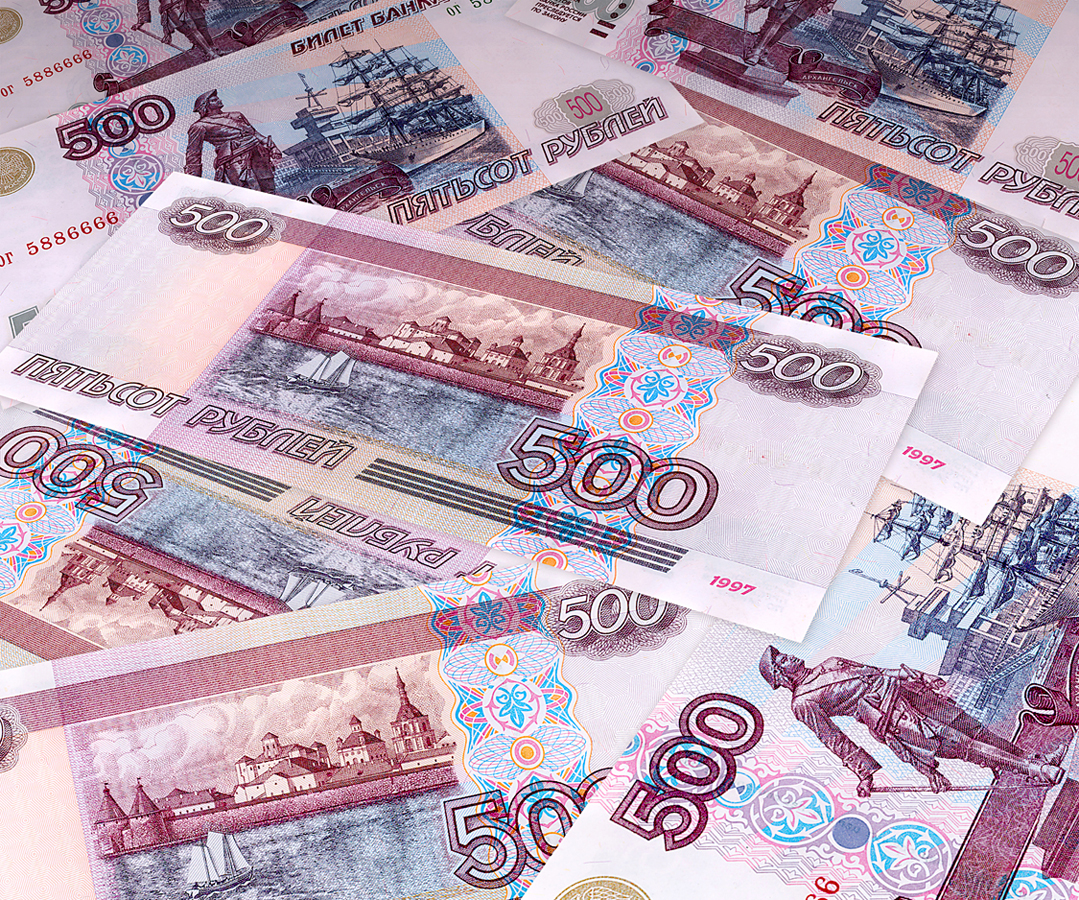
Russia's falling ruble is hitting Western European corporate giants such as PSA Peugeot Citroen, Henkel AG and Carlsberg A/S on its way down, further undermining operations under strain because of the country's stagnant economy.
With the currency now at a record low against the euro and dollar, companies that have bet heavily on Russia are finding that the plunge makes it costlier for local factories to import supplies and parts, increases prices for customers, and reduces the foreign-currency value of any profits they manage to generate.
"The weakening of the ruble is a problem," Peugeot Chief Executive Officer Carlos Tavares said at the Paris Motor Show last week. He blamed his company's Russia woes on "the lack of visibility for the customer, and the price increase due" to the ruble's fall.
The currency is trading at almost 40 rubles to the dollar, its weakest level ever, as the simmering conflict in Ukraine prompts investors to sell Russian holdings. And inflation is accelerating to the fastest pace in three years as import bans on food from the European Union and U.S., imposed in retaliation for sanctions on Russia, drive consumer prices upward.
Companies like Peugeot, which owns 70 percent of a car- assembly joint venture based near Moscow, have spent heavily on Russian manufacturing facilities to avoid tariffs and the cost of shipping products from elsewhere in Europe, while benefiting from government incentives for domestic production.
Volga Banks
Siemens AG makes locomotives with a local partner in Sverdlovsk, Carlsberg brews beer in a half-dozen Russian cities, and Renault builds cars in Moscow and in Togliatti, on the banks of the Volga. Henkel, which makes Persil detergent and Loctite glue, has eight Russian factories and another on the way -- and says it may see weaker earnings in the second half of the year due in part to the ruble's fall.
To reduce its dependence on imported supplies, Nissan Motor Co., which operates a plant in St. Petersburg, last month started work on a nearby business park for parts manufacturers. The goal: to supplant components that otherwise would be imported from elsewhere in Europe. Peugeot and other foreign carmakers are similarly seeking local suppliers.
"We're moving more to making in rubles and selling in rubles, which helps with the autonomy of the business," said Colin Lawther, Nissan's senior vice president for manufacturing and purchasing in Europe.
Beer Declines
Foreign companies looking to sell products to Russia's middle class would be struggling even without the currency drop. To slow inflation, Russia's central bank has hiked the benchmark interest rate to 8 percent, up from 5.5 percent in February. Due to the impact of sanctions and falling oil prices, the economy is nearing recession.
For consumers already nervous about their spending, "weak demand has been compounded by the weak ruble" and the rising price of imported goods, said IHS Inc. economist Lilit Gevorgyan.
Carlsberg illustrates how the ruble's nosedive can turn what would otherwise be simply disappointing business conditions into a serious problem. The Copenhagen-based brewer said in August that a 2 percent sales decline in eastern Europe in the second quarter in nominal terms widened to an 18 percent drop after conversion to Danish kroner.
Swedish beauty-products group Oriflame had a similar experience. In August the company said the ruble's weakness would shave about four percentage points off its 2014 operating profit margin, which was 10.1 percent last year. The company gets roughly half its revenue from eastern Europe, and is working on a Russian plant that will be its largest single facility in order to mitigate the impact of currency swings.
Computer Freeze
Companies selling to Russians can choose to maintain sales or profits, but not likely both, said Vanessa Rossi, an economist at research firm Oxford Analytica. "Exporters to Russia will find it harder to sell goods at premium prices, and so may either discount or lose volume," Rossi said.
To keep Russian customers loyal, Chinese computer manufacturer Lenovo Group Ltd. today said it would freeze its ruble prices until the end of the year. "Lenovo doesn't plan to pass on the currency risks" to customers, the company said in a statement.
Few foreign companies will give up on Russia. With 140 million citizens, vast natural resources, and a growing consumer class in Moscow and St. Petersburg, it's a big opportunity. Ford Motor Co., which is postponing its target for returning to profit in Europe, says it plans to keep investing in Russia and will introduce six new models there by the end of 2015.
At the highest end of the car market, the decline of the ruble may even be helping some sales. Rolls-Royce, the U.K. ultra-luxury manufacturer owned by German carmaker Bayerische Motoren Werke AG, is enjoying rising demand as wealthy Russians look to park their cash in expensive cars that historically have maintained their value.
"We are satisfied how Russia developed, particularly in the first half," said Rolls-Royce chief Torsten Mueller- Oetvoes. "That might be due to the case that people invested their rubles into some, what I would call, real assets. And Rolls-Royce is a proper investment."
Here we are to serve you with news right now. It does not cost much, but worth your attention.
Choose to support open, independent, quality journalism and subscribe on a monthly basis.
By subscribing to our online newspaper, you can have full digital access to all news, analysis, and much more.
You can also follow AzerNEWS on Twitter @AzerNewsAz or Facebook @AzerNewsNewspaper
Thank you!