
Yerevan deadlocked after Baku’s accepting peace outline
Azerbaijan’s accepting the updated version of the Madrid
principles, an outline for settling the Upper (Nagorno) Garabagh
conflict proposed by international mediators, has caused Armenia’s
deadlock. Yerevan, which signed the document at the Athens
ministerial in late 2009, has drastically altered its position,
analysts say.
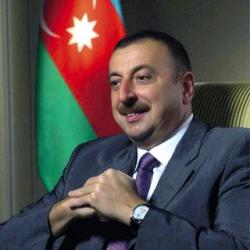
Azerbaijani President Ilham Aliyev said during a visit to Estonia on Wednesday that by rejecting the renewed Madrid principles, submitted by the mediating OSCE Minsk Group co-chairs, Armenia is seeking to maintain the status quo in the conflict settlement, is unwilling to pull its troops from the occupied Azerbaijani territories, and is trying to delay the peace process.
The Minsk Group co-chairs representing the United States, Russia and France initially proposed the peace outline in the Spanish capital in November 2007. In Athens in November 2009, the updated version of the Madrid Document was submitted to the sides, and it is presently under discussion. Baku supports the updated Madrid Document with some exceptions, which cover the wording of the conflict settlement principles and the translation of terms.
Armenia’s maneuvering in dealing with the Madrid principles and its opposing stance, along with complicating the stalled peace talks, provides grounds for Azerbaijan to pursue other options for resolving the long-lasting dispute, and Aliyev’s speaking about the Garabagh problem in Estonia substantiates this conclusion.
Some Azerbaijani analysts suggest that if no progress is achieved in the negotiating process by May, tension will rise in the region, translating at least into more beligerent rhetoric and more frequent ceasefire violations on the contact line of the Azerbaijani and Armenian troops.
The conflict between the two South Caucasus republics flared up in the late 1980s due to Armenia's territorial claims. Armenia has been occupying over 20 percent of Azerbaijan's territory since the early 1990s. The ceasefire accord was signed in 1994, but years of peace talks have brought few tangible results, and sporadic clashes on the frontline continue.*
Here we are to serve you with news right now. It does not cost much, but worth your attention.
Choose to support open, independent, quality journalism and subscribe on a monthly basis.
By subscribing to our online newspaper, you can have full digital access to all news, analysis, and much more.
Subscribe
You can also follow AzerNEWS on Twitter @AzerNewsAz or Facebook @AzerNewsNewspaper
Thank you!