
U.S.-Iran talks signal diplomatic progress, but lasting peace remains distant

Ulviyya Poladova
Read moreThe conclusion of the first round of high-level negotiations between the United States and Iran in Switzerland marks a potentially significant development for both regional stability and global energy markets.
The negotiations, facilitated by Qatar and Pakistan, resulted in an agreement to establish a High-Level Committee tasked with overseeing the negotiation process. Although details regarding the committee's composition remain undisclosed, its creation suggests that both sides are interested in maintaining a structured diplomatic channel. Iranian Foreign Minister Abbas Araghchi described the progress as a result of persistent mediation efforts, signaling cautious optimism about the prospects for future discussions.
The talks build upon the framework agreement signed on June 15 by President Donald Trump and Iranian President Masoud Pezeshkian. The accord extended the ceasefire announced in April and included provisions for reopening the strategically vital Strait of Hormuz. A 60-day period was also established for further negotiations, creating a window for diplomacy at a time when tensions in the Middle East remain elevated.
From an economic perspective, the most immediate impact of the negotiations has been felt in the oil market. Brent crude prices fell sharply after reports emerged that Iran had secured exemptions allowing continued exports of its oil. These developments eased concerns that a disruption of Iranian supply could tighten global markets and push prices significantly higher.
According to Reuters, Brent crude declined by $1.19, or 1.48%, to $79.38 per barrel following the talks. Earlier in the trading session, prices had surged to $82.30 per barrel as investors reacted to the hostile rhetoric surrounding the opening of the negotiations.
Nevertheless, significant risks persist. The reopening of diplomatic channels does not eliminate longstanding disagreements over security, sanctions, and regional influence.
Speaking to AzerNEWS, political expert Rufiz Hafizoglu said it is still too early to speak of peace either in the Middle East or between Washington and Tehran.
"As long as the parties have not signed a comprehensive peace agreement, it is premature to talk about peace in the region or between the United States and Iran," Hafizoglu noted.
According to the expert, the decision by both sides to return to the negotiating table reflects the realities that emerged during the recent confrontation. He argued that the United States was unable to fully achieve its objectives toward Tehran, while at the same time Iran cannot be considered the clear winner of the conflict.
"Many observers claim that Iran emerged victorious, but a closer examination of the negotiations and the concessions discussed paints a more complex picture," Hafizoglu said.
He emphasized that Tehran's willingness to engage directly with Washington marks a significant shift in its traditional approach. In previous years, Iran often avoided direct and intensive diplomatic engagement with the United States, preferring indirect channels or refusing negotiations altogether.
Hafizoglu suggested that Iran's primary objective at the current stage is the preservation of its political system and regional standing. He warned that continued instability could further weaken Tehran's position across the Middle East.
"Iran understands that if the current trajectory continues, it risks losing much of its influence in the region," he explained.
The expert added that renewed escalation in the Middle East could accelerate this process, creating additional challenges for Tehran's regional ambitions and strategic partnerships.
At the same time, Hafizoglu believes the latest round of negotiations differs from previous attempts because it is taking place in a relatively more stable environment compared with the period of active confrontation.
"The current situation is more stable than before, which allows both the Americans and the Iranians to assess developments more rationally and pursue diplomacy with greater flexibility," he said.
Another important consequence of the ongoing regional transformation, according to Hafizoglu, is the growing influence of Turkey. As geopolitical balances shift and traditional power structures face new pressures, Ankara is increasingly strengthening its role as a key regional actor.
Turning to the South Caucasus, the expert argued that despite its geographical proximity to the conflict zone, Azerbaijan has largely avoided major negative consequences from the latest regional tensions.
"The conflict is geographically close to Azerbaijan, but it has not had a significant impact on the country," he noted.
Hafizoglu attributed this to Azerbaijan's balanced foreign policy, emphasizing that Baku has consistently supported dialogue and maintained constructive relations with Iran, the United States, and Israel.
As negotiations between Washington and Tehran continue, the coming weeks will likely determine whether the current diplomatic opening can evolve into a broader political settlement or remains a temporary pause in a long-standing rivalry that continues to shape the future of the Middle East.
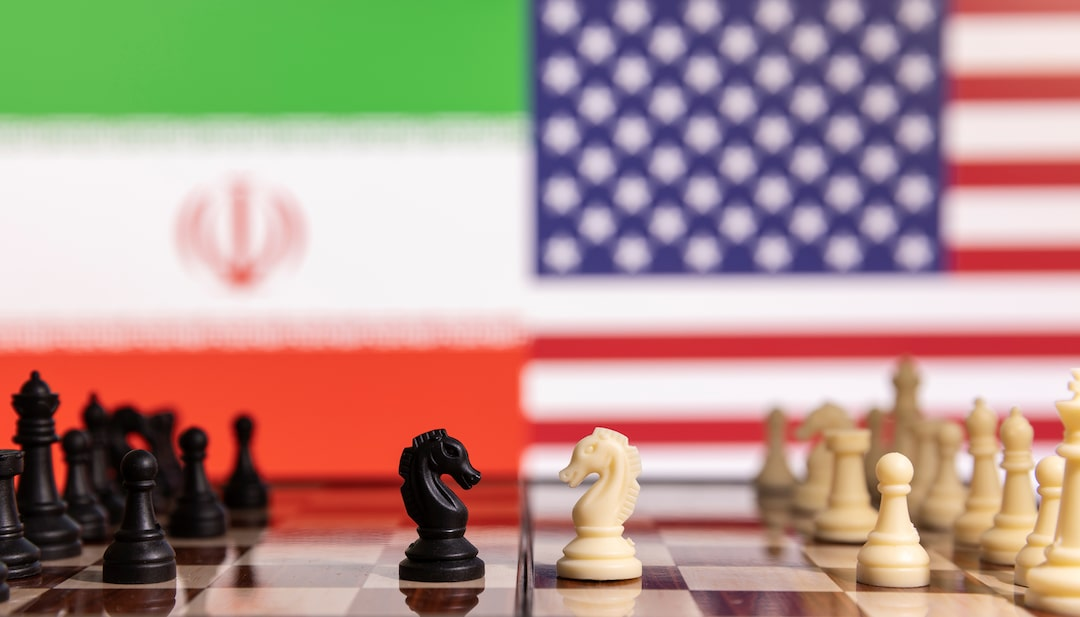
Image: Dado Ruvic / Reuters
Here we are to serve you with news right now. It does not cost much, but worth your attention.
Choose to support open, independent, quality journalism and subscribe on a monthly basis.
By subscribing to our online newspaper, you can have full digital access to all news, analysis, and much more.
You can also follow AzerNEWS on Twitter @AzerNewsAz or Facebook @AzerNewsNewspaper
Thank you!