
UN: 93 million children globally out of school amid crises

Ulviyya Poladova
Read moreA new report by the United Nations-backed global fund for education in emergencies highlights the deepening education crisis affecting some of the world's most vulnerable children, AzerNEWS reports.
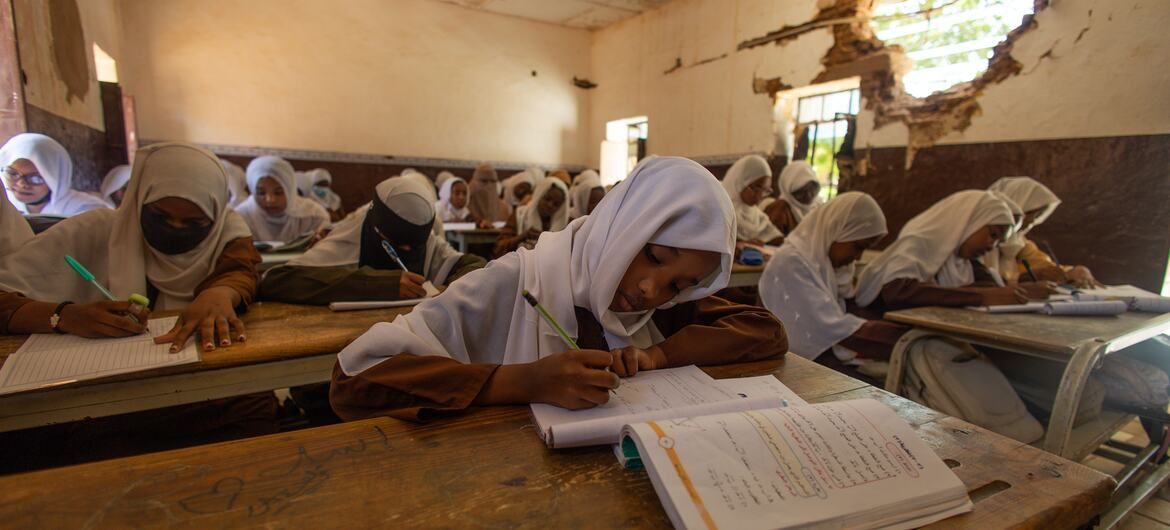
According to the findings, around 93 million crisis-affected children are currently out of school, while millions of others remain enrolled but struggle to learn in environments that hinder academic progress and increase the risk of dropping out. The report stresses that classroom attendance alone no longer guarantees access to quality education.
The education challenge is increasingly concentrated in the world's most severe crisis zones. Of the 182 million children living in the 20 most critical emergency settings, approximately 74 million are not attending school, accounting for nearly 80% of all out-of-school children identified in the study.
Researchers also found that many children who do attend school fail to acquire basic literacy and numeracy skills. In some crisis-affected regions, fewer than 10% of students achieve minimum reading proficiency in the early grades, with learning deficits widening over time and contributing to school abandonment.
Displaced children face particularly severe obstacles. Data from Burkina Faso, the Central African Republic, the Democratic Republic of the Congo, Mali and Somalia show that displaced students are less likely to advance through school, progress more slowly and are more often older than the typical age for their grade compared with non-displaced children.
The report further notes that girls, refugees and children with disabilities encounter additional barriers to education, while armed conflict significantly worsens learning outcomes. By sixth grade, only 30% of children in conflict-affected countries demonstrate reading proficiency, compared with 47% in countries facing mainly socioeconomic challenges and 63% in those primarily affected by natural disasters.
Despite these difficulties, families continue to place a high value on education. The study found that financial hardship and conflict-related school closures account for nearly 80% of school withdrawals, indicating that most families are forced by circumstances rather than a lack of commitment to education.
Maysa Jalbout, Executive Director of Education Cannot Wait (ECW), said investment in education during crises is essential to protect long-term opportunities for children and societies. She warned that conflict and climate-related disasters are erasing years of educational progress and called for immediate action to prevent lasting damage.
Since its establishment, Education Cannot Wait has supported more than 14 million children affected by crises and aims to reach an additional 10 million by 2030.
Image: Ahmed Mohamdeen Elfati / UNICEF
Here we are to serve you with news right now. It does not cost much, but worth your attention.
Choose to support open, independent, quality journalism and subscribe on a monthly basis.
By subscribing to our online newspaper, you can have full digital access to all news, analysis, and much more.
You can also follow AzerNEWS on Twitter @AzerNewsAz or Facebook @AzerNewsNewspaper
Thank you!