
Shahin Novrasli Festival marks fifth anniversary with expansion abroad [INTERVIEW]
![Shahin Novrasli Festival marks fifth anniversary with expansion abroad [INTERVIEW]](https://www.azernews.az/media/2026/06/24/1000038991.jpg)
Laman Ismayilova
Read moreThe Shahin Novrasli Festival is an annual international music event in Baku that brings together a wide range of genres, including classical music, jazz, mugham, flamenco, tango, fado, and ethno-jazz.
The event has grown into a platform where local and international musicians collaborate, experiment, and meet audiences in distinctive concert settings.
Originally launched in 2022 as the Baku International Piano Festival, the project has gradually expanded into a broader international festival, bringing together different musical traditions, artists, and audiences within a shared artistic vision.
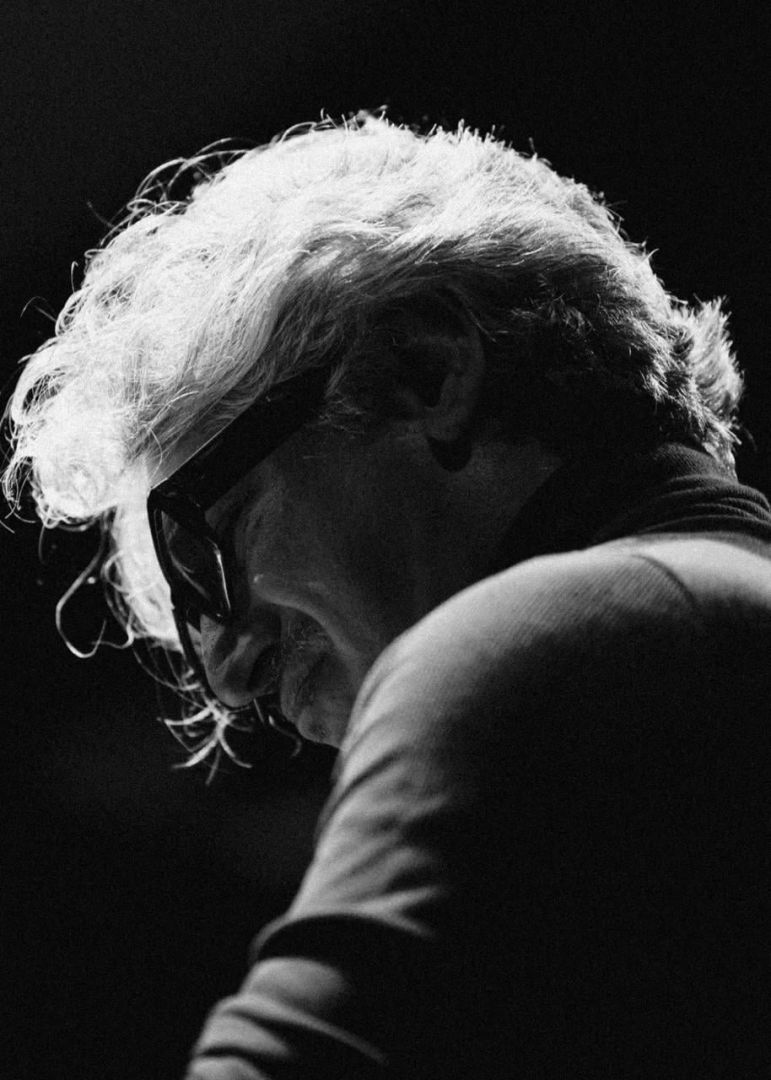
In an interview with AzerNEWS, pianist and festival founder Shahin Novrasli reflects on the evolution of his signature cultural project, now marking its fifth anniversary.
Q: This year marks the fifth anniversary of the Shahin Novrasli Festival. Looking back to 2022, when the project first launched as the Baku International Piano Festival, could you have imagined the scale it has reached today? What has been the most significant change in your vision of the festival over these five years?
A: The festival's greatest achievement over these years has been its people — the audience, musicians, volunteers, and the entire team who believed in the idea. When the project first began, many doubted that a young festival could immediately reach an international level. Yet already in its first year, we accomplished what usually takes years: a two-week international festival featuring a symphony orchestra, open-air concerts, jazz evenings, flamenco and tango performances, as well as art exhibitions. We received important support from the Ministry of Culture and the Heydar Aliyev Foundation.
The following year, the festival took another major step forward: it welcomed the world-renowned pianist Hélène Mercier, and a joint concert with the orchestra was held at the Heydar Aliyev Center.
Over five years, the project has grown significantly. While at the very beginning there were only six volunteers, today there are twenty. It is especially rewarding that many of those who joined us as teenagers — at 12 or 13 years old have grown up alongside the festival. Some of them have gone on to pursue music professionally. This is perhaps one of the most meaningful outcomes of our work.
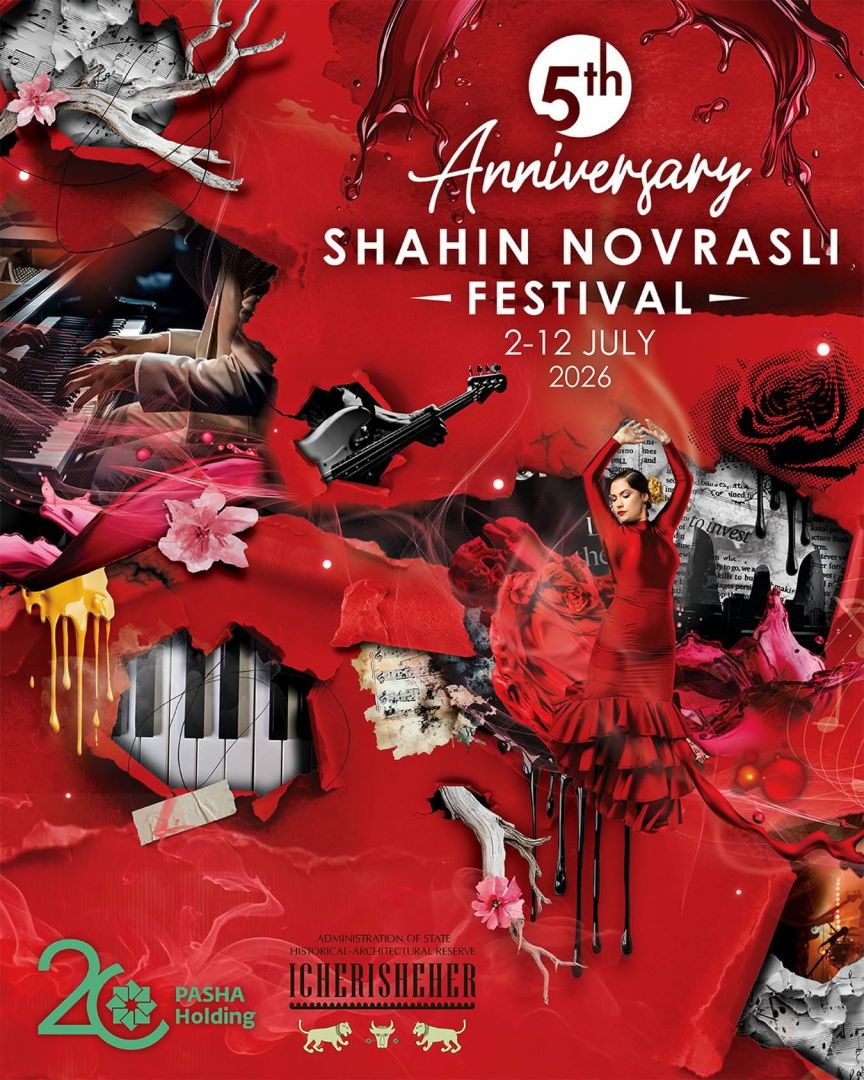
The symbol of this anniversary fifth season is the color red, representing energy, inspiration, and forward movement. If earlier the festival was associated with a black-and-white palette, it now marks its first milestone anniversary in a bold and vibrant red identity.
Q: The festival breaks down musical boundaries, bringing together jazz, classical music, mugham, flamenco, tango, and fado on a single stage. What is the secret? How do you manage to combine such different genres so naturally?
A: When shaping the festival program, my main priority is that the music must be alive, sincere, and capable of truly engaging the listener. Technical mastery is important, of course, but it is not enough. I am drawn to artists who can feel the audience, communicate through music, and turn every performance into a real event. That is why you will not see performers who come on stage only to demonstrate technique. This year, we are also placing special emphasis on local musicians, giving them the opportunity to be part of a major international program.
Over the years, the festival has built a loyal audience — people who look forward to it every year and do not miss a single edition. It is especially gratifying that last year guests from other countries traveled specifically to attend the concerts.
Each performance attracts between 500 and 1,000 spectators, and the atmosphere is always unique. Musicians perform with joy, and the audience responds with warmth, attention, and genuine emotion. It is this living exchange of energy that makes the festival special. I am confident this season will once again bring full halls, memorable encounters, and unforgettable musical evenings.
Q: Should audiences expect surprises on stage? Will there be unique duets or spontaneous jam sessions that can only be experienced at the festival?
A: The anniversary season will be the most ambitious in the festival's history. This year, musicians from ten countries will take part, and the program will bring together a wide range of musical traditions and cultures.
The opening promises to be especially vibrant: audiences will experience the energetic rhythms of Cuba and Latin America performed by Josefina "Pepa" Baker. The festival will close with a colorful Brazilian carnival, filling Icheri Sheher with celebration and unstoppable energy. Artists from Azerbaijan, Romania, Hungary, Israel, Brazil, France, Argentina, Turkiye, as well as an ethno-jazz ensemble from Georgia, will also perform.
It is impossible to single out just one concert — each program is designed as a standalone musical journey with its own mood and character. That is why the festival is meant to be experienced in full, day by day, discovering new names, sounds, and impressions.
A special atmosphere will extend beyond the main stages. Free stages in Icherisheher will allow everyone to engage with the music, feel its rhythm, and become part of a larger cultural celebration.
Throughout the festival, a bazaar with crafts, souvenirs, and culinary offerings will welcome visitors, while DJ sets before evening concerts will set the mood of celebration across the city.
Q: The music festival has turned five. Where do you see it in another five years, at its tenth anniversary? What can audiences expect in the future?
A: The festival continues to grow, and today we are already looking far beyond Baku. Next season, an important new step is planned: for the first time, festival events will be held abroad before the official opening in Azerbaijan. The idea is to begin the musical journey in one of our partner countries and then continue it in Baku with the same artists, where the festival will reach its main stage. A new brand and name will open even greater possibilities for this concept.
Looking ahead, by its tenth anniversary the festival is expected to become a truly international cultural project with its own geography and recognizable identity. I would like its concerts to take place not only in Baku, but also in other countries, bringing together musicians, audiences, and cultures from around the world.
At the same time, one thing will remain unchanged: the heart of the festival will always be Baku. This is where the idea was born, where its unique atmosphere developed, and where its loyal audience grew. No matter how far its horizons expand, the main stage and the soul of the festival will always remain in our city.
Here we are to serve you with news right now. It does not cost much, but worth your attention.
Choose to support open, independent, quality journalism and subscribe on a monthly basis.
By subscribing to our online newspaper, you can have full digital access to all news, analysis, and much more.
You can also follow AzerNEWS on Twitter @AzerNewsAz or Facebook @AzerNewsNewspaper
Thank you!