
How industrial zones and reforms are reshaping Azerbaijan’s economic future

Qabil Ashirov
Read moreFor decades, the global economic narrative surrounding Azerbaijan has been predictably tethered to its subterranean fortunes. As a pivotal player in the Caspian energy landscape, the nation built its modern infrastructure and financial reserves on the back of crude oil and natural gas. Yet, any economy anchored solely to the volatility of global commodity markets exists in a state of precarious vulnerability. Recognizing that fossil fuels are a finite resource and that market dynamics are undergoing a seismic shift toward green transitions, Baku has spent the last several years systematically drafting a different blueprint for its future. This transition is not merely a policy adjustment; it is a profound structural metamorphosis. By leveraging strategic geographic positioning, enacting aggressive institutional reforms, and pioneering highly competitive special economic zones, Azerbaijan is actively executing a long-term master plan to secure its sovereign destiny in a post-oil world.
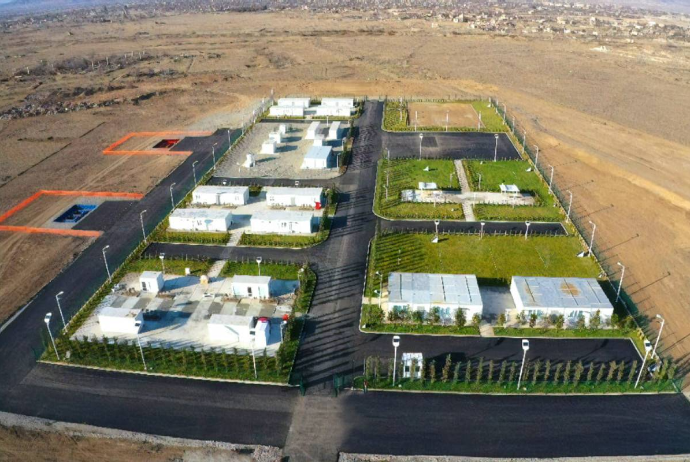
The scale of this vision is best measured by its tangible milestones on the ground. To date, Azerbaijan’s industrial zones have successfully attracted over five billion dollars in non-oil investments, transforming once-idle landscapes into bustling clusters of modern manufacturing and technical innovation. This financial influx is accompanied by a human triumph, having already generated more than twenty thousand high-quality jobs for citizens outside the traditional energy sector. Spanning across seventeen hundred hectares, these designated industrial enclaves function as sovereign proving grounds for a new business philosophy. By exempting registered residents from profit, property, and land taxes for a comprehensive ten-year period—alongside complete waivers on value-added tax and customs duties for imported machinery—the state has eliminated the stifling entry barriers that often derail industrial startups. These aggressive fiscal incentives serve a dual purpose: they dramatically mitigate upfront capital expenditures for foreign and domestic entrepreneurs while building an industrial ecosystem capable of sustainable, long-term growth.
Concurrently, the operational model of the Alat Free Economic Zone, strategically situated near the Baku International Sea Trade Port, represents the absolute vanguard of this regulatory revolution. It is an area specifically engineered to attract export-oriented manufacturing, high-tech enterprises, and pioneering research initiatives. To compete with established global trade hubs, the state has offered investors a framework of unimpeded capital mobility, including the absolute right to 100 percent foreign ownership and the unhindered repatriation of profits. Backed by an independent, robust regulatory framework that guarantees the absolute protection of intellectual property rights, this zone represents a fundamental shift in how the state interacts with global capital. This is no longer an environment defined by bureaucratic inertia; it is a highly responsive, digitally optimized sandbox tailored to the rigorous demands of multinational corporations looking for a secure foothold at the crossroads of hemispheres.
However, the establishment of isolated economic oases is insufficient if the broader domestic market remains mired in traditional administrative friction. Therefore, the sweeping institutional reforms sweeping the nation are designed to upgrade the entire country’s macroeconomic infrastructure. The government has prioritized the comprehensive digitization of tax and customs administrations, radically simplifying business registration procedures and systematically optimizing the licensing regime. Crucially, these legal reforms place a profound emphasis on strengthening investor rights, particularly the protection of minority shareholders, which signals to the global community that transparency is an absolute priority. By cultivating a liberal, open investment regime where domestic and international entities operate on a perfectly level playing field, Azerbaijan is cultivating an environment where capital feels safe, valued, and incentivized to remain over extended horizons.
The ultimate catalyst for this comprehensive economic regeneration, however, lies in the realm of global logistics and connectivity. Situated precisely at the historic and modern geographic intersection of Europe and Asia, Azerbaijan is transforming its geopolitical real estate into an irreplaceable transit and logistics hub. The nation’s strategic geography is being commercialized through massive investments in Class-A warehousing, sophisticated cold-storage networks, advanced container terminals, and innovative digital logistics platforms. In this grand logistical architecture, the operationalization of the Zangezur corridor emerges as a transformative geopolitical variable. By creating a direct, uninterrupted transport artery, this corridor will drastically optimize trade flows across Eurasia, significantly reducing transit times and reinforcing Azerbaijan’s status as the indispensable bridge between East and West. The revenues generated from these global transit services will provide a permanent, self-sustaining flow of non-oil capital directly into the national treasury.
Ultimately, the multi-faceted strategy being deployed across Azerbaijan yields profound socioeconomic dividends that extend far beyond mere balance sheets. By scattering these industrial zones across various regions—including the newly liberated territories of Karabakh and East Zangezur—the state is ensuring balanced regional development, preventing over-urbanization in the capital, and elevating the living standards of rural populations. Furthermore, the arrival of advanced multinational corporations facilitates a massive, invaluable transfer of technology and managerial expertise, training a new generation of Azerbaijani professionals in world-class corporate standards. While the extensive tax holidays and fiscal exemptions represent a calculated, temporary reduction in immediate state revenue, the long-term rewards are immense. Through this visionary framework, Azerbaijan is effectively trading its temporary oil wealth for a permanent, highly diversified, technologically advanced, and globally integrated economy that will sustain generations to come.
Here we are to serve you with news right now. It does not cost much, but worth your attention.
Choose to support open, independent, quality journalism and subscribe on a monthly basis.
By subscribing to our online newspaper, you can have full digital access to all news, analysis, and much more.
You can also follow AzerNEWS on Twitter @AzerNewsAz or Facebook @AzerNewsNewspaper
Thank you!